Hunting Season Tune-up Time
It’s that time again. As we roll into October, you should be getting ready for hunting season. Depending on where you are some seasons may already be open. Here in the PRNY, squirrel is open, resident goose just wound down and there are some limited youth deer hunts open.
Regardless, you should be getting your stuff ready to hunt. Let’s start with clothing. Hopefully you didn’t go full viking at the end of last season and just stuff your hunting clothes somewhere.
Dig it all out and give it a once over. Check for any rips, tears, missing buttons or broken zippers. Oh, and make sure it still fits. Make any repairs you need to, replace what you have to.
Whether you gave them a good wash or just threw them in the back of the closet you should give them another wash now. – This is also a reminder to clean your washer. You do that regularly right? – Use a detergent without UV brighteners. Most game animals can see well into the UV part of the spectrum. A detergent with brighteners will make your camo stand out like a neon sign to a deer.
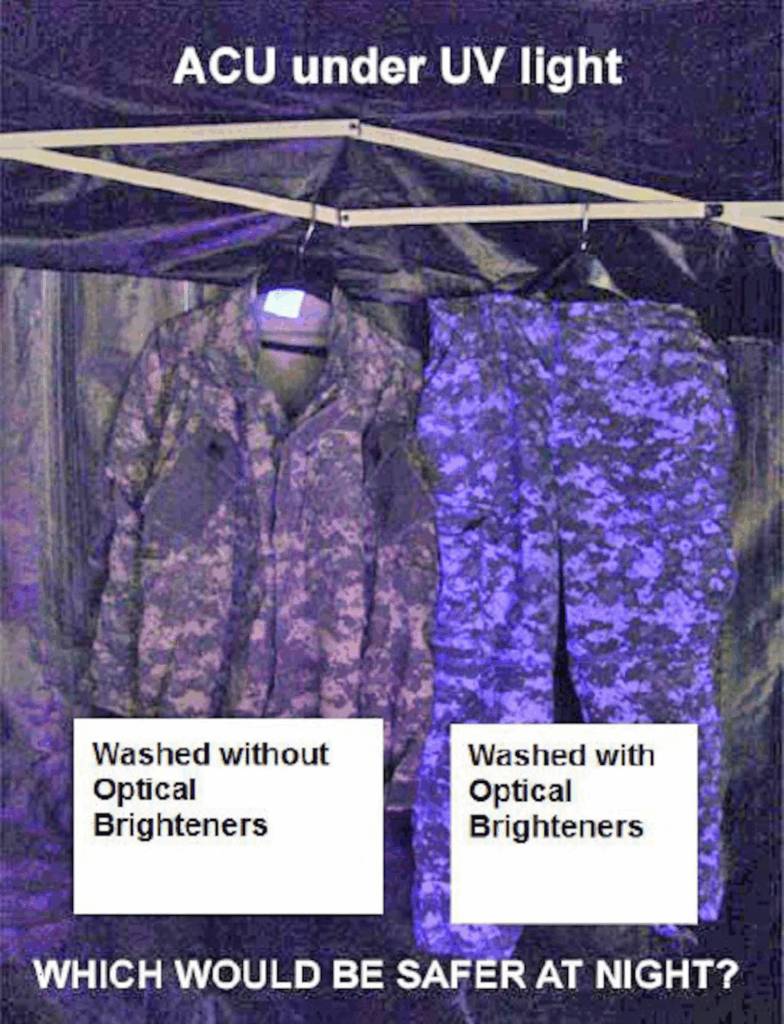
There are multiple brands of detergent that do not contain UV brighteners. I prefer the Sport wash brand, but as long as the label says no brighteners it will do what you need it to do.
I don’t get too worked up about scents, cover or otherwise. As long as the detergent you use doesn’t have added scents you’ll be fine. There is little repeatable evidence that scent blocking stuff works, so I generally do not bother. That said, if you have confidence in the tech, go for it. It does not hurt.
Pull out the knife you use. Make sure it isn’t rusted into the scabbard or sheath. (Yes, I have seen this.) Give it a wash in some warm soapy water, dry it well and give it a sharpen. If you have any other tools you bring hunting, check them out too.
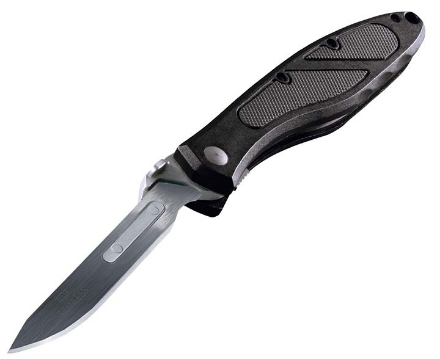
As an aside, the knife I have used to gut and skin with for the past few years is one with replaceable blades from Havalon. They are relatively inexpensive – so not a big deal if they get lost in the woods – are razor sharp and it is far easier to swap a dull blade than to try to sharpen a blade in the woods. The blades are hair-splitting sharp and the handles are sturdy and well made.
While we are on the accessory topic, make sure you still have your butt-out, dressing gloves, drag rope and whatever else you usually have on hand. I typically have a couple of gallon size ziploc bags for the organs I plan on keeping.
If you need ammo, go pick up a box or two. Or 5 or 6 if you shoot shotgun slugs. Fortunately, the supply is much better than it was in the recent past. Some of the more obscure commercial loadings can still be on the rare side, but most of the common-er calibers are widely available. That said, do not be the Fudd that goes to his local supplier the night before the season opens to buy ammo. And more, don’t be that Fudd and then throw a shitfit because there isn’t any (insert your favorite obscure caliber here) in stock.
Now that you have your ammo, pull out your firearm. Give it a good clean. Do a function check, make sure it works the way it’s supposed to.
Check all the fasteners while you’re at it. Make sure all the screws for your scope bases and rings are tightened to the proper torque specs. With a few firearm specific exceptions, mostly aluminum receivers, base screws should be torqued to 25-35 in-lbs, ring screws to 18 in-lbs. Check the torque on any bedding screws too. Those are very manufacturer specific, so look that number up. Make sure the magazine cap is tight if you are shotgunning. Some very odd things can happen if it isn’t.
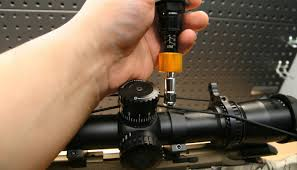
Once you have everything on your gun clean and tight, it’s time to head to the range. When you get there, check your zero. Once you’re sure the bullet is going to hit where you aim at 100 yards shoot a couple of groups at different ranges to ensure there isn’t a big difference at longer – or shorter – ranges.
I say 100 yards. That is the universal zero distance, however, if the majority of your shooting is going to be less that 75 yards or more than 300, you may want to adjust your zero distance. Be realistic about the distances you are shooting. The vast majority of the shots I have taken on deer here on the East Coast have been under 100 meters. I’d bet most were closer to 50. The same goes for bears anywhere I have hunted them.
If you are an archer, you should have had your bow tuned up already. You should have also been shooting all summer. If either one of those things isn’t true, wait until next year to bow hunt. Or don’t, I’m not the one who is going to spend several days worrying about the mishit deer that you couldn’t find. Besides, coyotes and vultures need to eat. I will however be the one silently judging you for it.