
Oh, Lord, I pray you give me strength to carry on
sippin coffee, that’s a line from a song ” here I go again” done by Whitesnake. Was tellin ratdog; ratdog, God did not call us to be nice,
God called us to be good
the difference, nice people don’t confront evil, good people do
that is the way it is.
So, here I go again, I can understand his hatred for this is Christian land
Couple years back on here, I shared few pictures from the island, two items of interest if you go, bring money and clothes, did I mention money, whatever you do, do not forget money.

Besides the joining of two clans a favorite moment of mine, I overheard, ” I’ve never known any Marines, do they all have that face expression, He’s been looking at me since he got off the ferry” My dad is letting you know is all. ” He doesn’t very much does he”. No, not really.
had reason to stay where I did
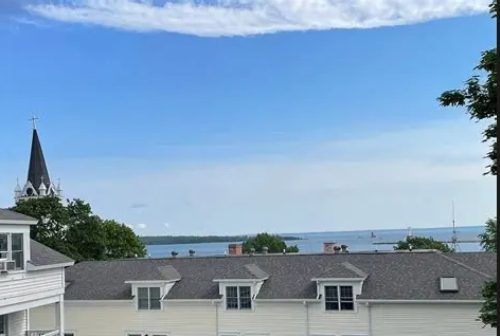
St. Anne’s church was like right there down some steps
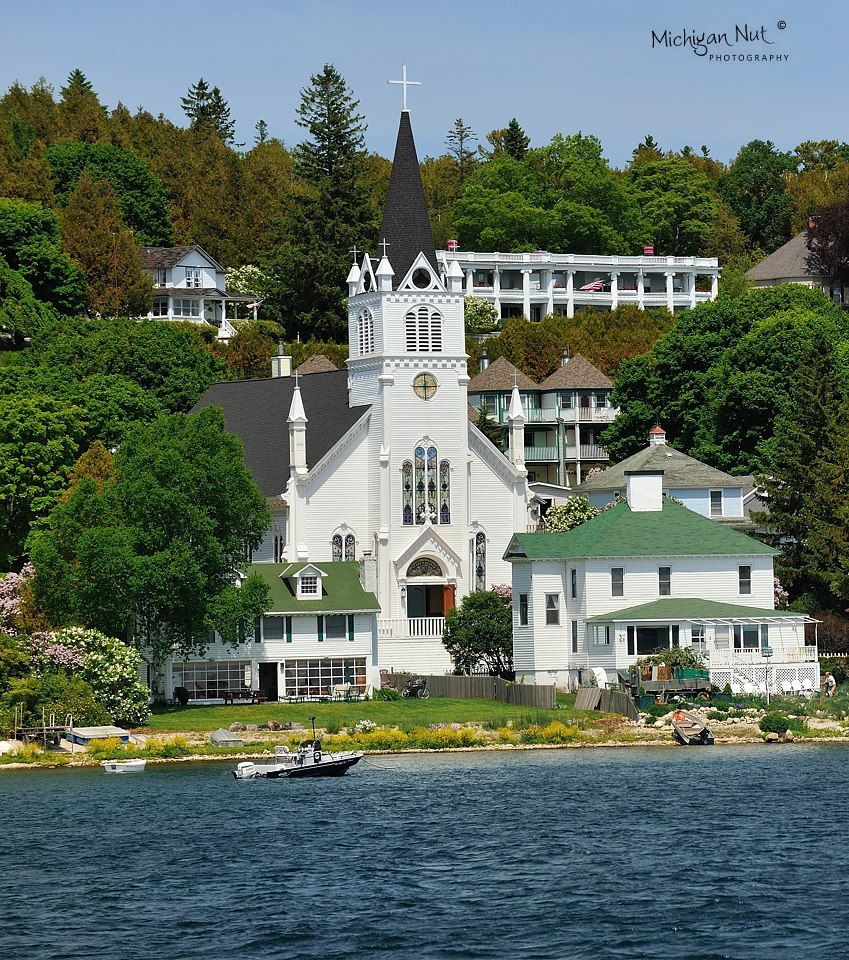
It’s beautiful inside, may need some armed guards and camaras now…
The island is deep in history, today is a good day for a story
the incredible story of the woman who originally built it as her home. Long before Michigan became a state and was known as the Northwest Territory fur trading was the primary means of business in the region. Marguerite-Magdelaine Marcot was born in February 1781 at Fort St. Joseph, near present-day Niles, Michigan. She was the daughter of a French man by the name of Jean Baptiste Marcot and her mother was Marie Nekesh and Odawa Indian. Her father was killed two years after she was born and she was raised by the Odawa tribe of which her grandfather was the chief.
Marguerite became immersed in the Native American culture and fluent in the Odawa, French, English, and Ojibwe languages. In 1795 she married Joseph La Framboise and they worked together in the fur trade in western Michigan. They built a trading post near Fallasburg Michigan and would travel back and forth from Mackinac Island trading with the Native Americans. Marguerite worked alongside her husband and her ability to communicate with the Indians allowed their business to prosper.
Tragically, Joseph La Framboise was murdered in 1806, and Madeline La Framboise took over their fur trade. She continued to manage several trading posts, and expanded her business throughout the western and northern portions of Michigan’s lower peninsula. Known to many as Madamme La Framboise she was the region’s most successful fur trader. At the age of 40 in 1820, she sold her business to another fur trader Rix Robinson. He was another early pioneer and the first settler in Kent County. He went on to become a Senator.
After Selling her business she retired to Mackinac Island building her home on Huron Street. She donated the land next to her house for St. Anne Catholic Church with the stipulation she would be buried underneath it. After she died in 1846 she was laid to rest under the altar. Her Home, which still stands next to the church, is now the Harbour View Inn.
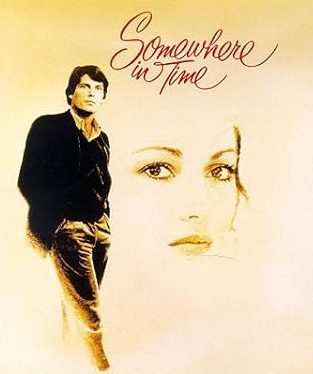
The film was named proper