The Longest Day
6 June 1944, the longest day. The day the US, Britain and Canada started the task of rolling back Nazi Germany by landing in France.
Operation Overlord, the name of the monumental undertaking, started in the late evening hours of 5 June when minesweepers began clearing lanes through the German naval minefields off the beaches of Normandy. While the Normandy invasion is commonly called D-Day, it was only one of many D-days throughout the war.
General Dwight Eisenhower, the Supreme Allied Commander green-lit the invasion after getting a forecast from the chief meteorologist at SHAEF Group Captain James Stagg. He predicted a short window of weather that would be acceptable for the invasion for the 6th of June.
The first Allied troops to land on the Continent were paratroopers and glider infantry. The US 82nd and 101st Airborne divisions were scattered all across the Norman countryside. Of the US objectives set for 6 June, only the capture of St. Mere Eglise by the 82nd was effected. The British 6th airborne and associated glider units tasked with taking the bridges over the Orne river and Caen canal were more successful.
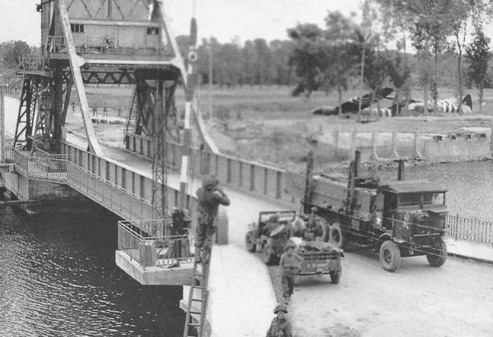
Major John Howard and the rest of D Company of the Oxfordshire & Buckinghamshire Light Infantry landed near Pegasus Bridge over the Orne in Horsa gliders. They captured the bridge after a short fire fight. They were among the first of the Allies to land in France.
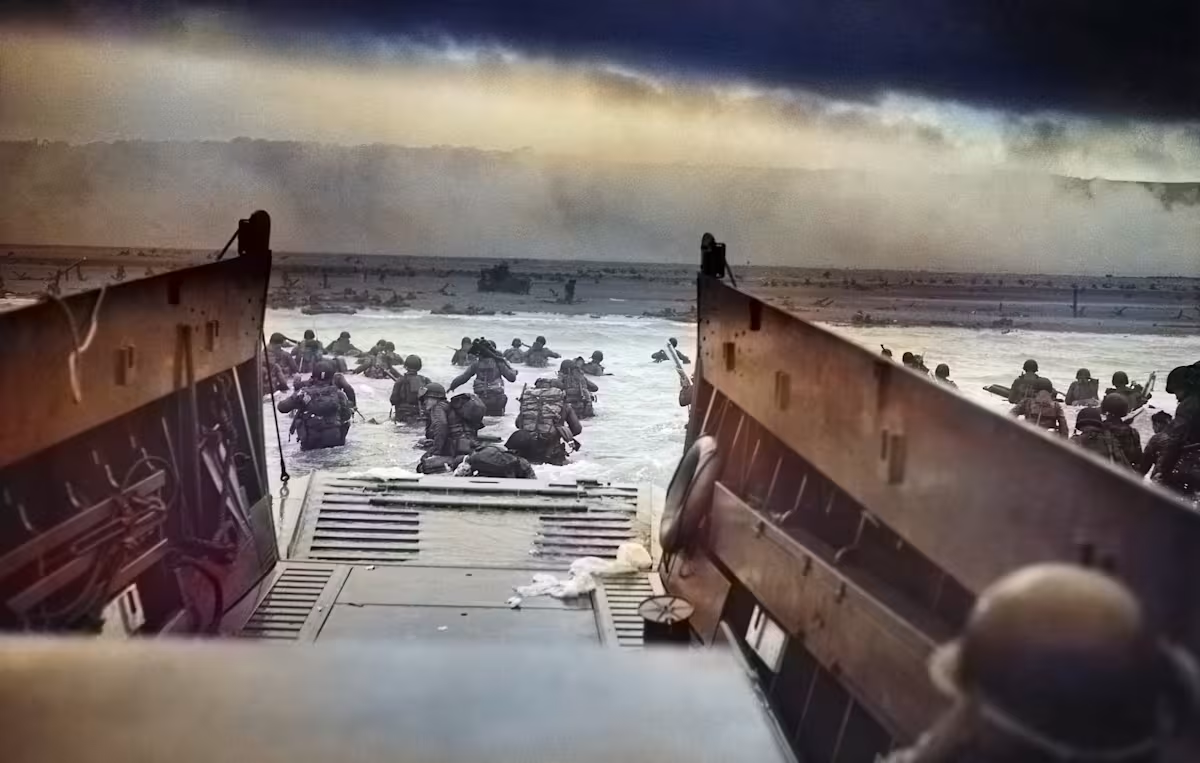
Naval landings started around 0630. The landings were a confused mess in the American sectors. The Brits and Canadians had better luck in their sectors.
The 4th ID landed at Utah and made a small but sustainable lodgement on the beach with minimal casualties. The 4th landed 21,000 troops on Utah at the cost of only 197 casualties. The Airborne landings behind the beach added another 14,000 men, with 2,500 casualties. Forces landing on Utah cleared the immediate area in less than an hour, and penetrated 4 miles inland by the close of D-Day. However, they did not meet most of their objectives because they were landed too far south.
The 1st and 29th were not so lucky at Omaha. There, they faced an entire division instead of the single regiment they expected. It wasn’t until after 1200 that the troops finally broke out from the beach and forced exits inland. An accurate figure for casualties incurred by V Corps at Omaha on 6 June is not known; sources vary between 5,000 and over 6,000 killed, wounded, and missing. By the end of the day, only two small exits from Omaha were open and none of the original objectives had been met.
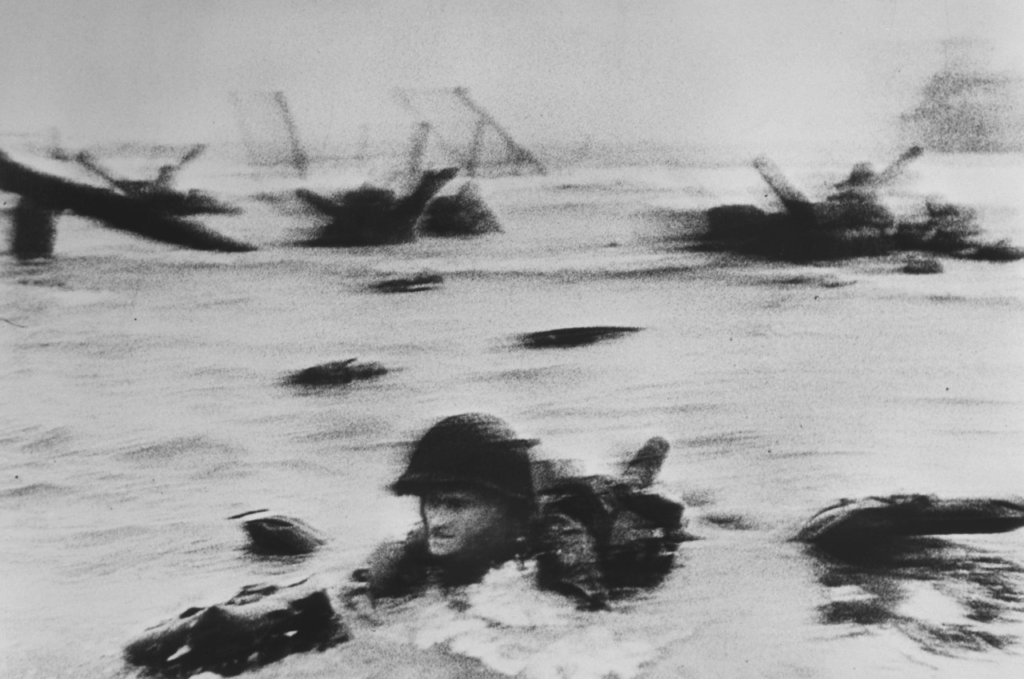
Nor were the Rangers lucky. They were tasked with taking the bluff at Point du Hoc. James Rudder and his men scaled the bluffs, took the German positions at the top and held out for nearly three days before they were relieved. Of the 400 men who made the assault, fewer than 100 were still fit for combat by that point.
The situation was so dire that General Eisenhower had prepared a speech/press release saying the landings had failed.
Our landings in the Cherbourg-Havre area have failed to gain a satisfactory foothold and I have withdrawn the troops. My decision to attack at this time and place was based upon the best information available. The troops, the air and the Navy did all that bravery and devotion to duty could do. If any blame or fault attaches to the attempt it is mine alone.
It truly was the longest day.
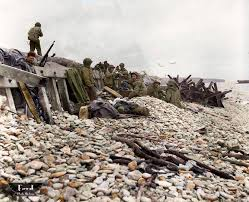
This editor has been to the beaches in Normandy. The overall terrain is much the same as it was on that fateful day in 1944. There are some differences however. US and British engineers removed the ‘shingle’ from the beaches in the days and weeks following the invasion. A shingle beach, for those unfamiliar with the term, is a beach covered in stones from 1/2″ to 8″ in size. The shingle in Normandy averaged 3″.
I’ve been to Point du Hoc, and I marvel at the fact those men made the climb to assault that bluff. I’ve seen the draw at Vierville, and I am amazed that those men overcame the Germans and opened the first exit from Omaha. I’ve been to St Mere Eglise and the other drop zones inland from Utah Beach and I’m stunned – as a trained Paratrooper – that those men linked up with other mis-dropped paratroopers and started the war from where they were.