The United States Formative Years… Part 8
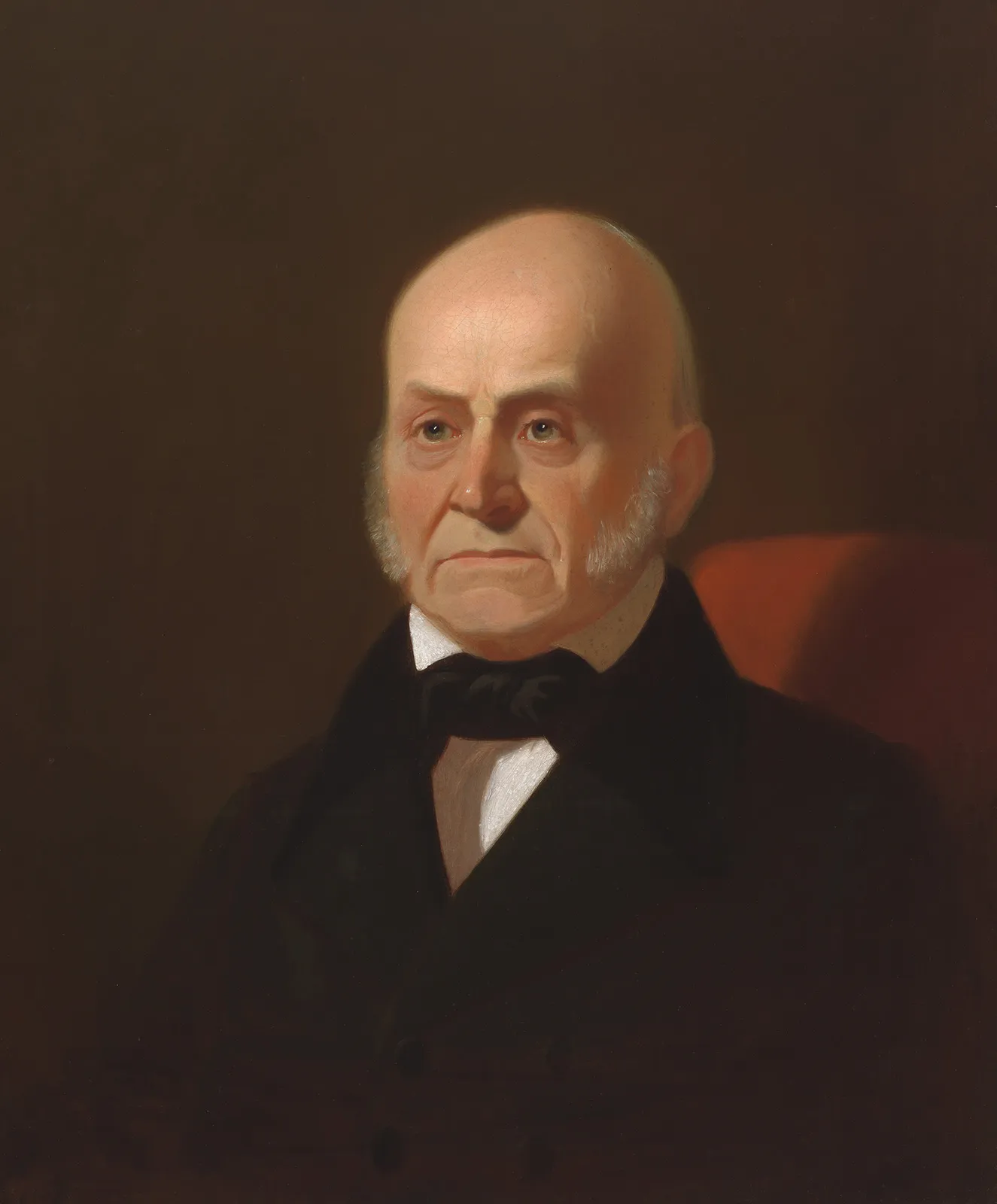
The administration of John Quincy Adams
The election of 1824 saw a failure in that no candidate garnered the necessary majority vote in order to select a President; therefore the election was to be decided in the House of Representatives. Although Andrew Jackson garnered more electoral votes than Adams in the general election. Adams was selected by the House to be President infuriating Jackson, (labeling it a “Corrupt bargain”) who swore he would run in the 1828 election and resigned his Senate seat in disgust.
February 9, 1825 the House of Representatives elected John Quincy Adams as President after Henry Clay of Kentucky threw his support behind Adams. This was the second time the House of Representatives was placed in the position of selecting the President.
March 4,1825 John Quincy Adams is inaugurated as the sixth President of the US.
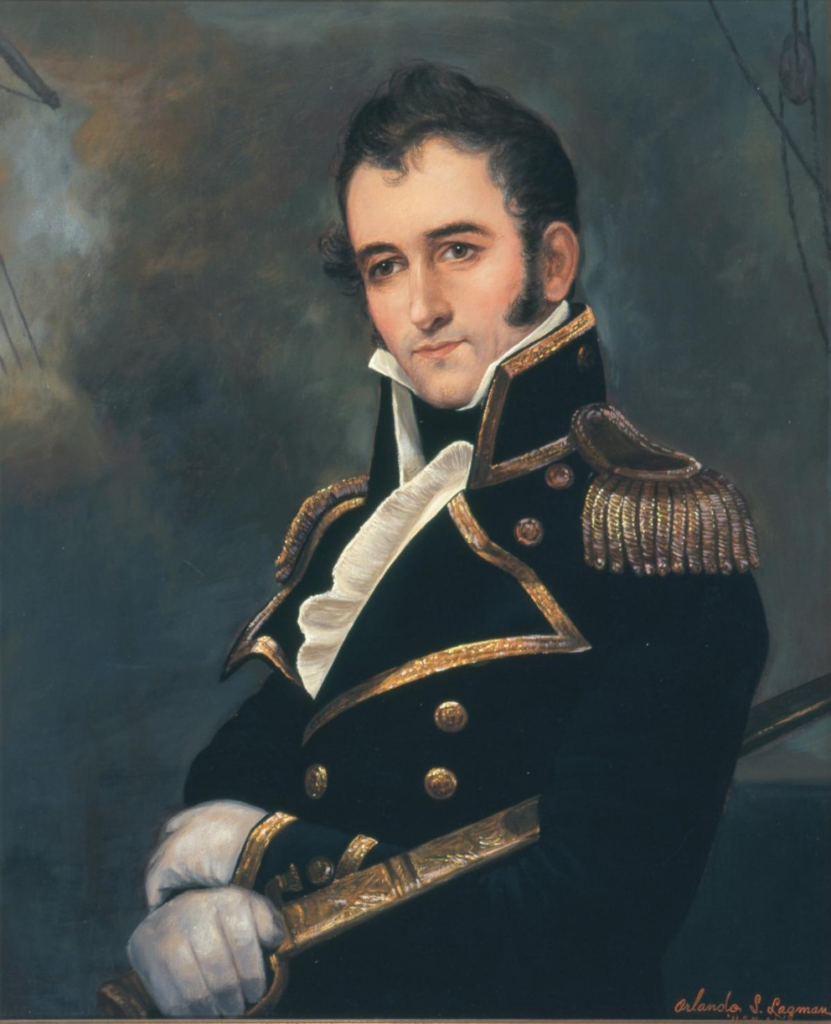
July 7, 1825 Naval Captain David Porter is court-martialed for landing troops in Puerto Rico in the fall of 1824. The American public favors Porter’s actions and the court martial fails to reach a decision.
October 1, 1825 the Tennessee legislature nominates Jackson for the 1828 presidential election.
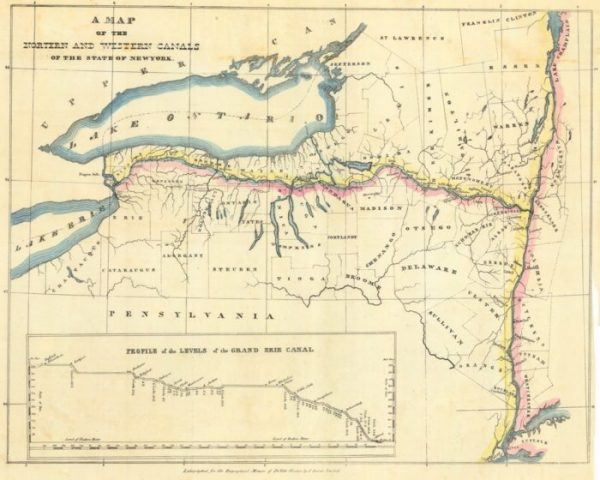
October 22, 1825 the 363 mile long Erie Canal begins operations linking Lake Erie with New York City. Products from the northwest states can now enter the burgeoning foreign markets.
May 1, 1826 a joint House and Senate resolution orders the standardization of military manuals.
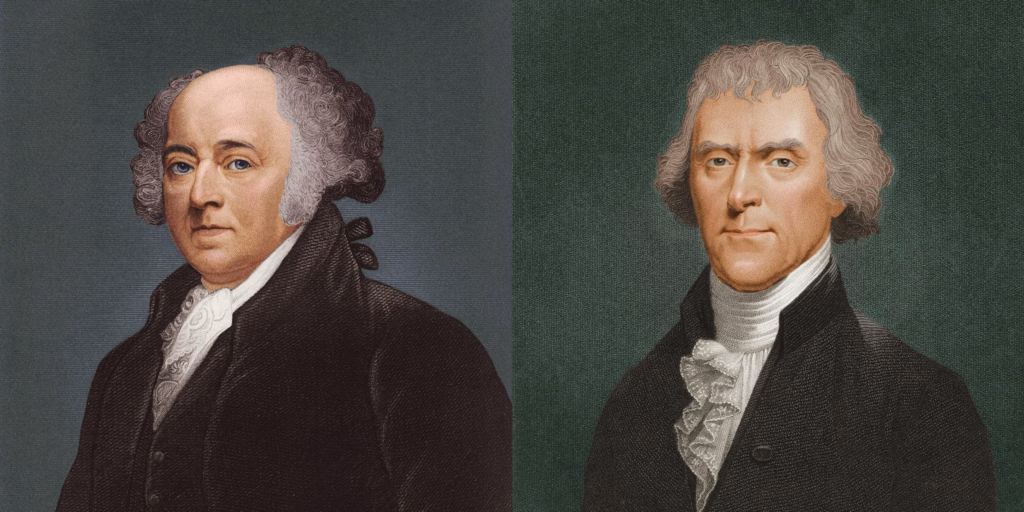
July 4, 1826 both John Adams and Thomas Jefferson die on this date.
November 1, 1826 Adams signs an agreement with Britain that finalizes issues of restitution that were not settled by the Treaty of Ghent that ended the War of 1812.
March 27,1827 Adams closes American ports to trade from British colonies over tariffs and duties.
December 1,1827 many European nations enter into a “Most Favored Nation” trade agreement.
January 1, 1828 The Bank of the United States begins to sell government securities to curtail the outflow of species by direction of Nicholas Biddle. This in turn prompts the Congress to advocate for the sale of stock in the Bank of the United States.
January 1, 1828 the US concludes a series of border disputes with Mexico by minister Joel Poinsett.
February 1, 1828 the Guatemalan minister to the US, Antonio Jose Caoaz proposes a canal to link the Atlantic and Pacific Oceans through the country of Guatemala that although the proposal fails, it highlights the supremacy of US influence in Central America.
May 11, 1828 Congress passes a new tariff bill the finds support in the northern states but is deemed the “Tariffs of Abomination” in many southern states. Vice President John Calhoun anonymously pens a statement that gives states the right to ignore federal legislation it opposes and finds unconstitutional.
November 1, 1828 Andrew Jackson wins the presidential election with 178 electoral college votes.
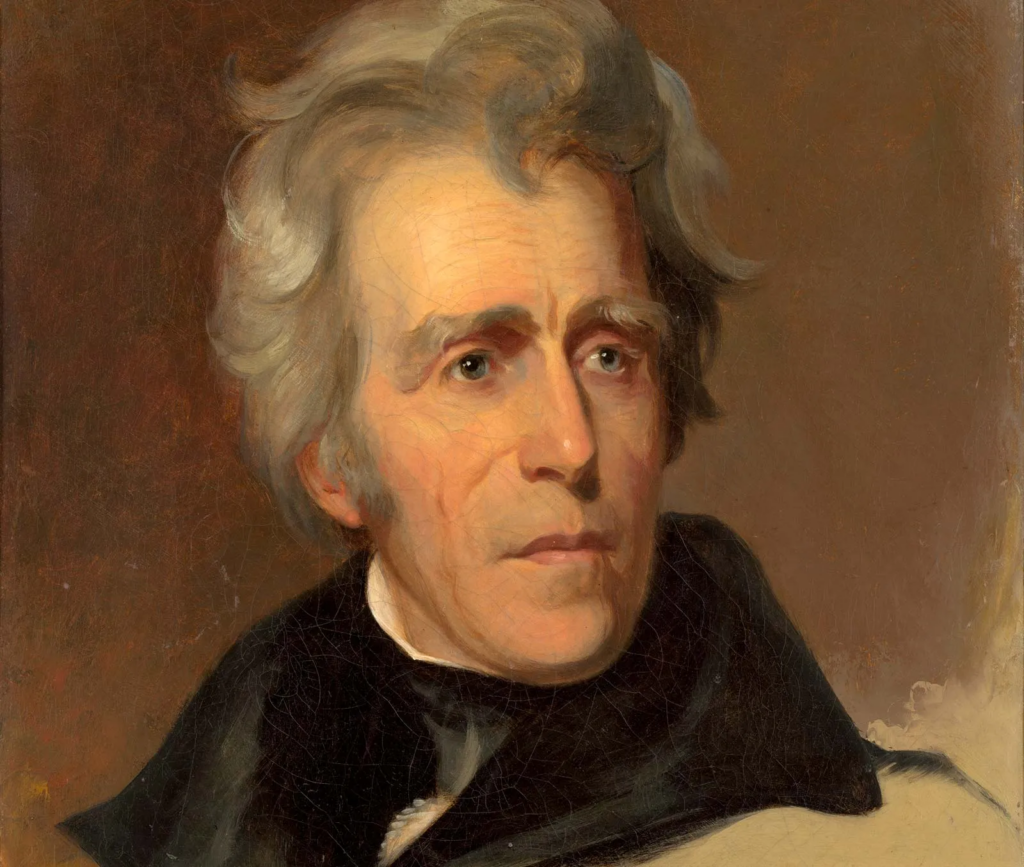
March 4, 1829 Andrew Jackson is sworn in as the seventh President of the United States.
(Note) Both John Adams and John Quincy Adams only served one term as president of the US.
Walt Mow 2026