The American Revolution Part 12
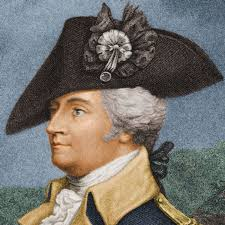
July 16, 1779, in a night time raid, “The Battle of Stony Point” was a successful raid under the command of General Anthony Wayne. Washington ordered the raid with the proviso that the select group of Continental troops not delay after they had taken the outpost, capture and or kill a large number of British troops and retire quickly. This elite group was formed on July 12, 1779 called “The Corps of Light Infantry” was formed from several brigades of light infantry for the very purpose of attacking this important outpost.
The raid, carried out in the dead of night with the unusual order that the troops carry unloaded weapons so as to utilize the bayonet as the primary weapon in the raid to maintain silence. An exception to this order was for a small detachment to attack the main defenses of the outpost to cover the main attack that was to be carried out by the “Corps of Light Infantry”. Unfortunately for General Wayne, he was struck by a spent bullet that left him unconscious, he was not able to see how successful his men had been. British losses totaled over 620 men, some of whom drowned, while American losses counted 15 killed and 83 wounded. While the raid was later considered of small consequence, the boost to the morale of the Continental Army was enormous.
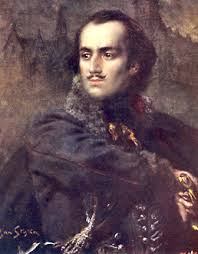
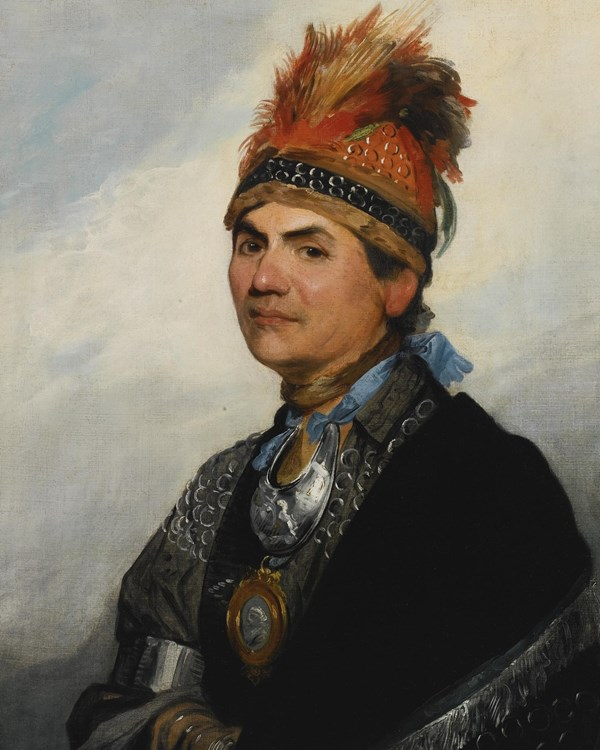
The departure of Brigadier General Kazimierz Pulaski to the southern theater of operations in February of 1779 left much of the back country of New York vulnerable to Indian reprisals. Joseph Brant and his Loyalist and Iroquois allies would take advantage of this, using the opportunity to attack the settlers, steal cattle and possibly disrupt a suspected upcoming raid against Iroquois towns. On the morning of July 22, 1779, Colonel John Hathorn attempted to set an ambush of Brant’s forces, but an accidental discharge alerted Brant to the ambush allowing him to take the high ground in Hathorn’s rear. As ammunition began to run low, the battle turned to a hand to hand fight, with many of Hathorn’s men badly wounded. Brant’s allies gave no quarter leaving 46 men dead while Brant’s men suffered only 7 men in what would be called, “The Battle of Minisink”.
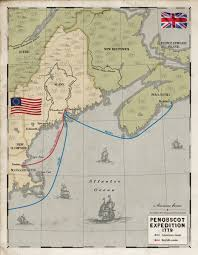
In an effort to regain the central coast of Maine, “The Penobscot Expedition” consisting of 44 vessels sailed to the mouth of the Penobscot River to confront British forces that held the area. Over a period of time from July 24 to August 24, 1779, this assembly of American forces would be defeated by the British, making it the worst naval defeat for Americans until December 7, 1941. In what would become a total collapse, American losses would be 474 men killed, wounded or captured, 44 vessels sunk, destroyed or captured by British Forces. Recriminations and courts martial would dominate this ill fated affair for some time.
03:30, August 19. 1779; Major Henry “Light Horse Harry” Lee reached the outer defenses of the British outpost on Paulus Hook. The outpost guarded the entry into New York Harbor; Lee’s troopers forced entry into the outpost and “The Battle of Paulus Hook” was underway. Major William Sutherland, the post commander, retired to a small redoubt with a few of his officers and some 40 Hessian troopers. As daylight was about to break, Lee had the cannon spiked and decided to leave the area but had decided to burn the post’s barracks before leaving. On learning that the barracks held some wounded men and a number of women and children, he decided against burning the barracks and vacated the post. Lee’s casualties numbered 2 killed, 3 wounded and 7 captured, while British losses numbered 50 killed and wounded and 158 captured. Lee was forced to return by an alternate route to his base but was successful in doing so with so few men and so large a contingent of captured soldiers.
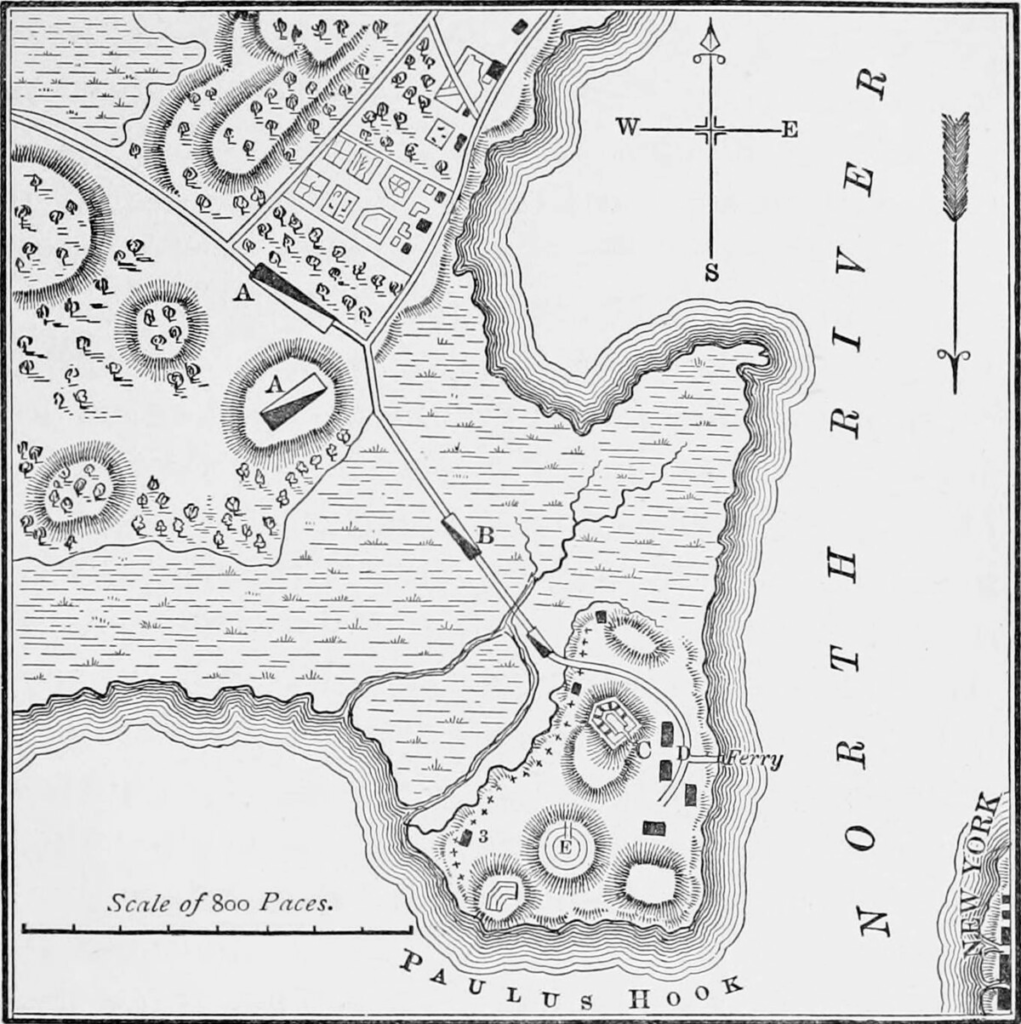
In a commendation to Major Lee, General George Washington penned the following letter:
“The Major displayed a remarkable degree of prudence, address and bravery upon this occasion, which does the highest honor to himself and all the officers and men under his command. The situation of the fort rendered the attempt critical and the success brilliant”.
In a campaign ordered by General Washington to end the threat of Iroquois and British collusion against the American war effort, Washington dispatched Major General John Sullivan to confront the situation. Sullivan engaged the mixed force of British Loyalists under the command of Major John Butler and Mohawk leader Joseph Brant in “The Battle of Newtown” on August 29, 1779, near the present day city of Elmira, New York. On a mile long hill whose highest point was 600 feet above the surrounding terrain, former members of Colonel Daniel Morgan’s Provisional Rifle Corps found a hidden breastwork while scouting the area.
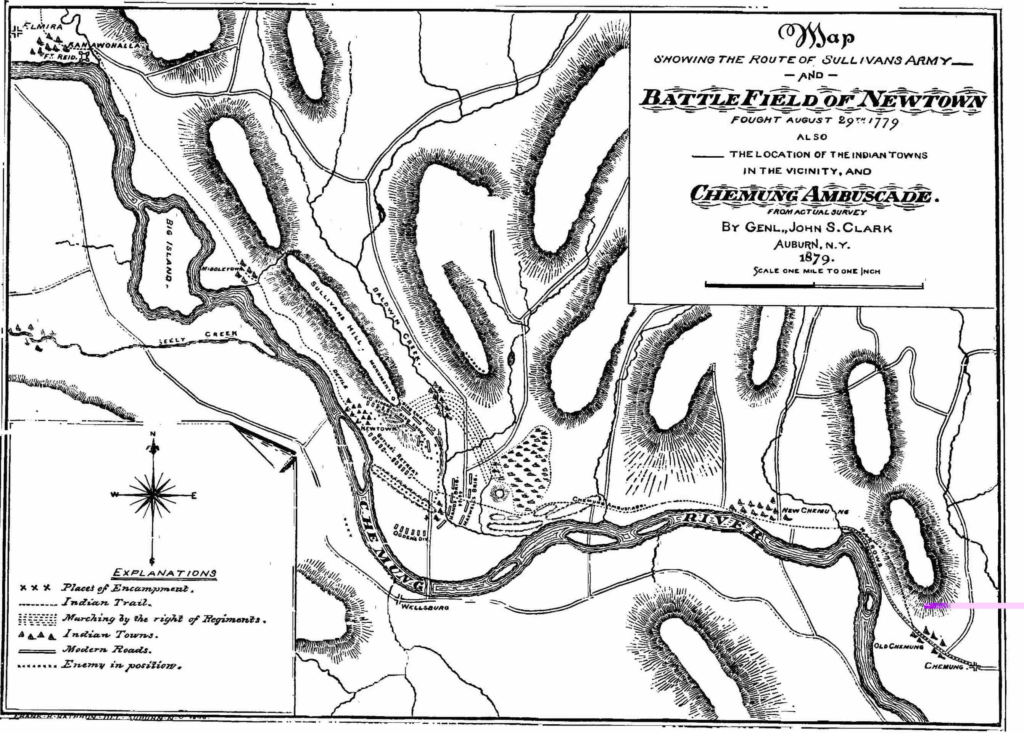
In what turned out to be a botched plan, hastily improvised revisions forced Butler’s Loyalists and their Indian allies to retreat. Butler and some of his followers escaped what turned out to be a defeat of the British and their Indian allies. General Sullivan’s Army in a three week campaign destroyed over 40 Indian villages, burning crops and widely scattering a large number of the Indian fighters before returning to Fort Sullivan.
Although the Spanish never actually joined in the American War of Independence, Spain, an ally of France overran a British outpost in West Florida called “The Capture of Fort Bute” on September 7, 1779. This action DID in all reality support the American effort of Independence.
September 7, 1779 a naval battle occurred on Lake Pontchartrain between the schooner USS Morris of the US Continental Navy and the British sloop of war HMS West Florida. In “The Battle of Lake Pontchartrain”. The crew of the Morris boarded and captured the British vessel, plus mortally wounding her captain, thereby eroding Britain’s hold on the British province of West Florida.