The American Revolution Part 22
The American Revolution did not end with the battle of Yorktown, but it was the last large engagement of the Revolution. Commanding General Washington dispatched Lieutenant Colonel Tench Tilghman to Philadelphia to report the victory to Congress.
When British Prime Minister Lord North was informed of the British defeat, he was said to exclaim, “Oh God, it’s all over”.
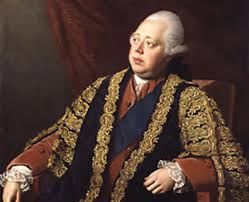
A resolution was passed in the British Parliament on March 4, 1782 to, “end further prosecution of offensive warfare on the continent of North America”. Lord North and his government resigned on March 20, 1782.
Except for some minor engagements, the war would continue for two years after Yorktown, but for all intent and purpose, major prosecution of the war was at an end.
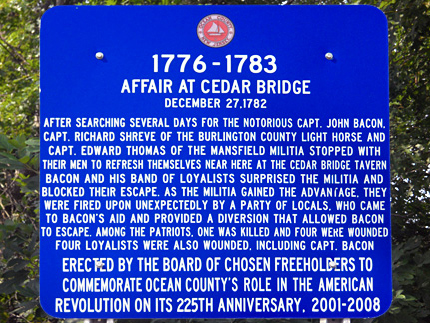
“The Battle of Cedar Bridge”, December 7, 1782, was the final land battle of the war. Loyalist militia under the command of John Bacon, a hated loyalist that was wanted for the wanton killing of patriot militia after they had surrendered. Bacon escaped, but was discovered and killed several months after the engagement in Tuckerton, New Jersey, but was so hated that his body was paraded through the town before burial in an unmarked grave.
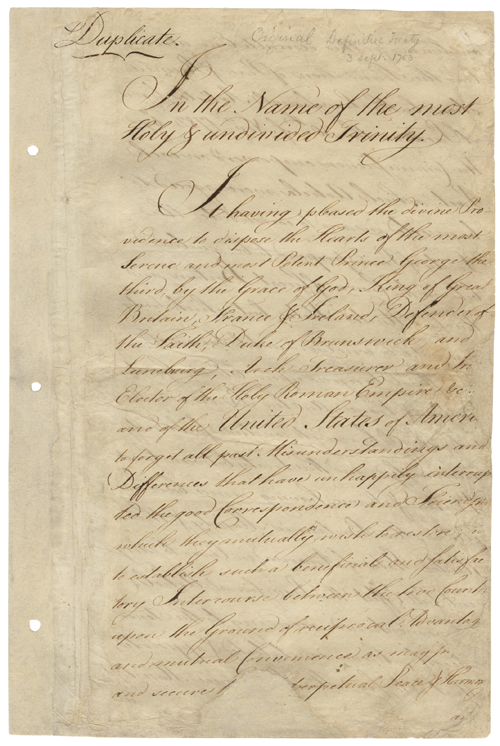
The treaty of Paris was signed September 3, 1783 ending a war that consumed eight years and countless lives.
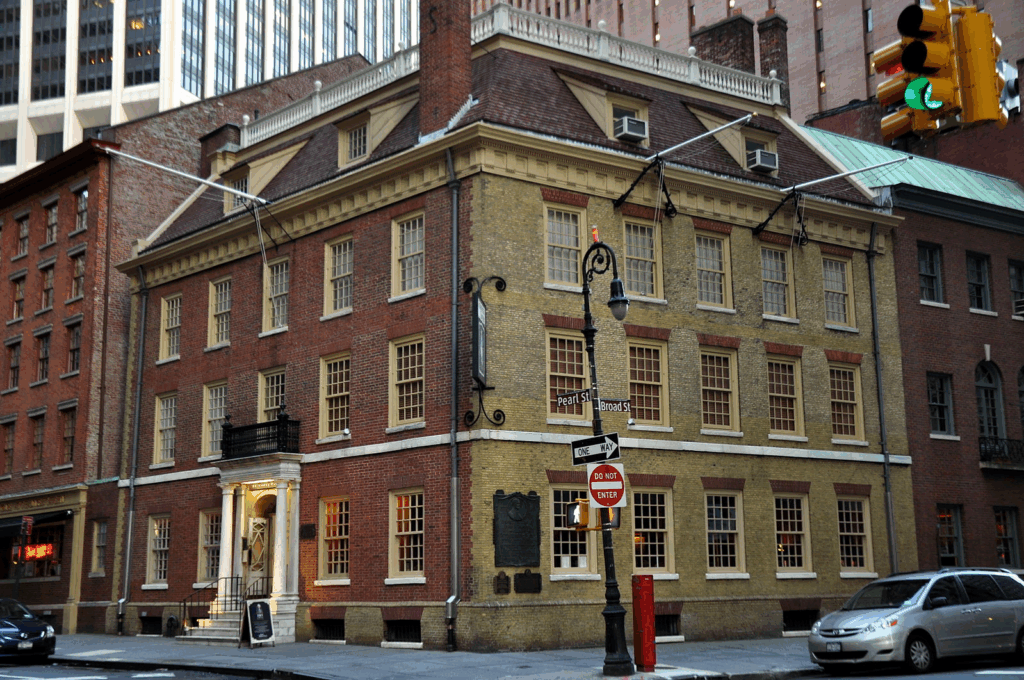
In an emotional occasion, Major General George Washington bid his staff goodbye at Fraunces Tavern in New York City, December 4, 1783. He asked that his officers approach him individually and take him by the hand. Brigadier General Henry Knox was the first, kissing Washington on the cheek followed by the rest of his staff; knowing that it was probably the last time they would ever see General Washington again.
On his journey to his home on Mount Vernon, Washington stopped in Annapolis, Maryland where the Continental Congress was meeting to officially resign his commission as head of the Continental Army, December 23, 1783. He arrived home on the afternoon of December 24, 1783, noting to his wife Martha, that it was Christmas Eve.
The British and French Navies would continue to fight in the Islands of the Caribbean for two more years, each hoping to control the “Sugar Islands” as they had come to be called, but these battles had little effect on the overall resolution of the “Revolutionary War”.
Walt Mow 2025
Editors note: This concludes the series on the American Revolution from Walt. I’d like to take this opportunity to thank him for all his hard work and dedication. As always, it is a pleasure to work with him.