The United States and its Formative Years… Part Four
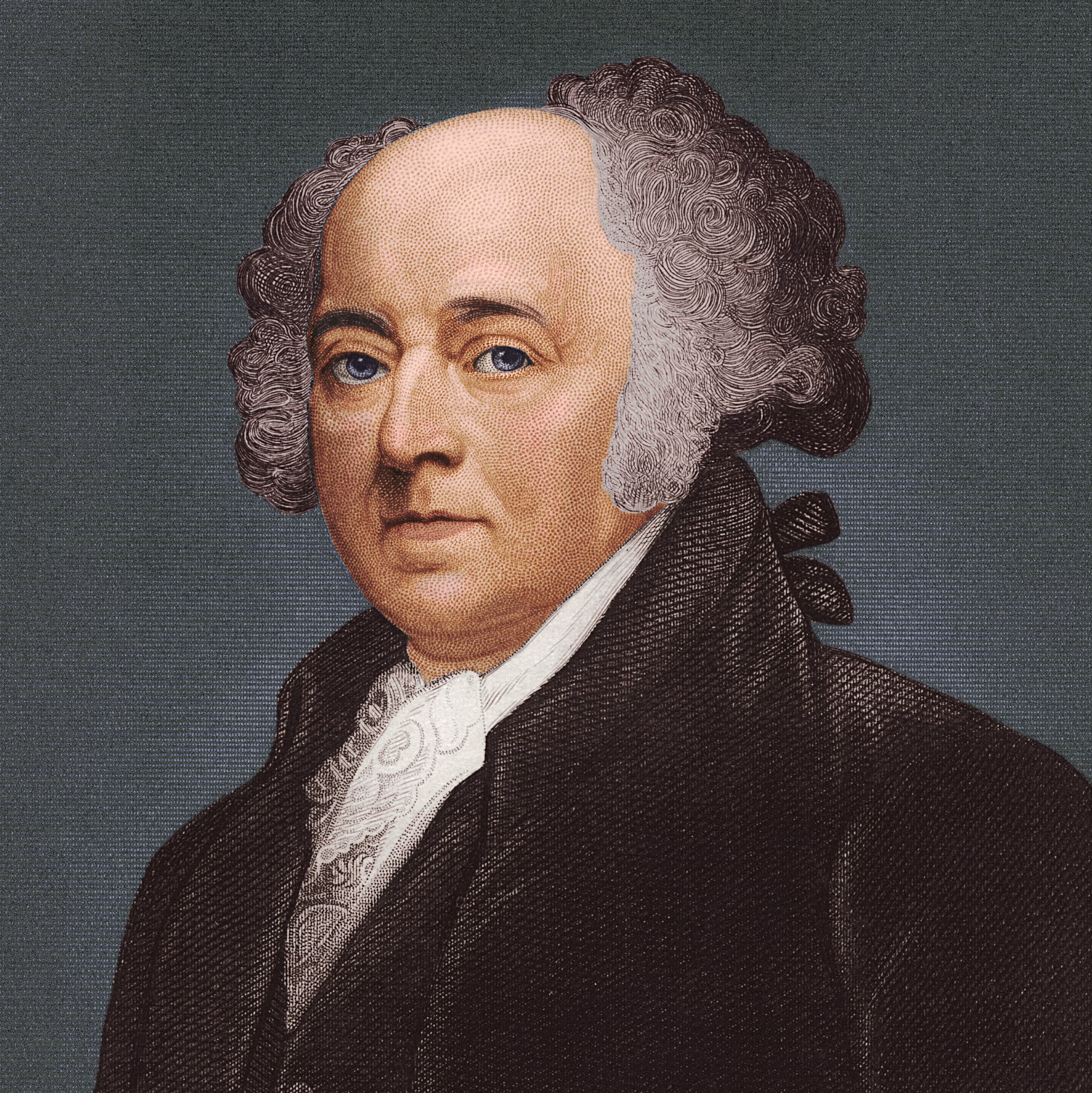
Featured image: John Adams
John Adams and his Presidency
March 4, 1797 John Adams is inaugurated as President with Thomas Jefferson as Vice President.
May 15 1797 American envoy to France, Charles Cotesworth Pinckney returns to the US after being insulted by the French Foreign Minister. President Adams calls a Special Session of Congress to address the growing crisis with France.
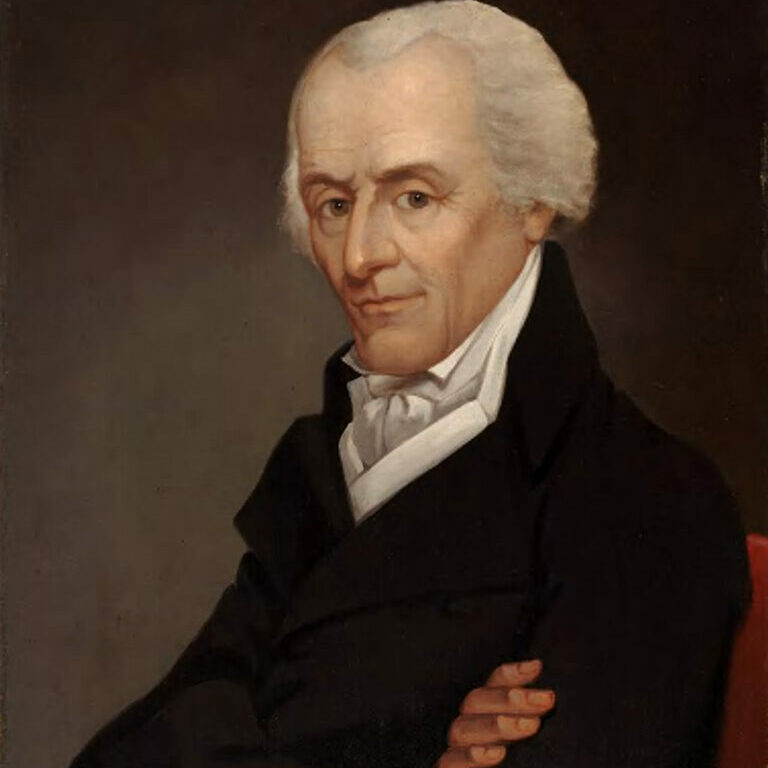
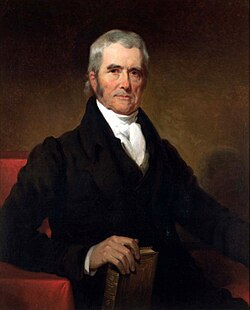
May 19, 1797 President Adams appoints a 3 man commission to negotiate with France composed of Charles Pinckney, Elbridge Gerry and John Marshall to address the issues with the French government.
June 24, 1797 Congress authorizes an 80,000 man defensive militia, should hostilities arise between the US and France.
October 18, 1797, America’s three man commission is coolly received and demands a bribe in order to speak with French Foreign Minister Charles Maurice Talleyrand and precipitates a scandal known as the “XYZ Affair”. France had broken relations with the US in 1796, newly elected President Adams sought to correct issues with the three man commission. When confronted with French demands for an apology, loans to the French government, bribes and threats of war, Adams strengthens the small US Navy as a result of French intransigence.
On January 8, 1798 the Eleventh Amendment to the Constitution was declared to be in full effect. The amendment barred federal jurisdiction in actions between individuals and between states.
April 3, 1798 Adams releases information about the XYZ Affair to Congress, the result was outrage and demands for a declaration of war with France by some members of the Congress.
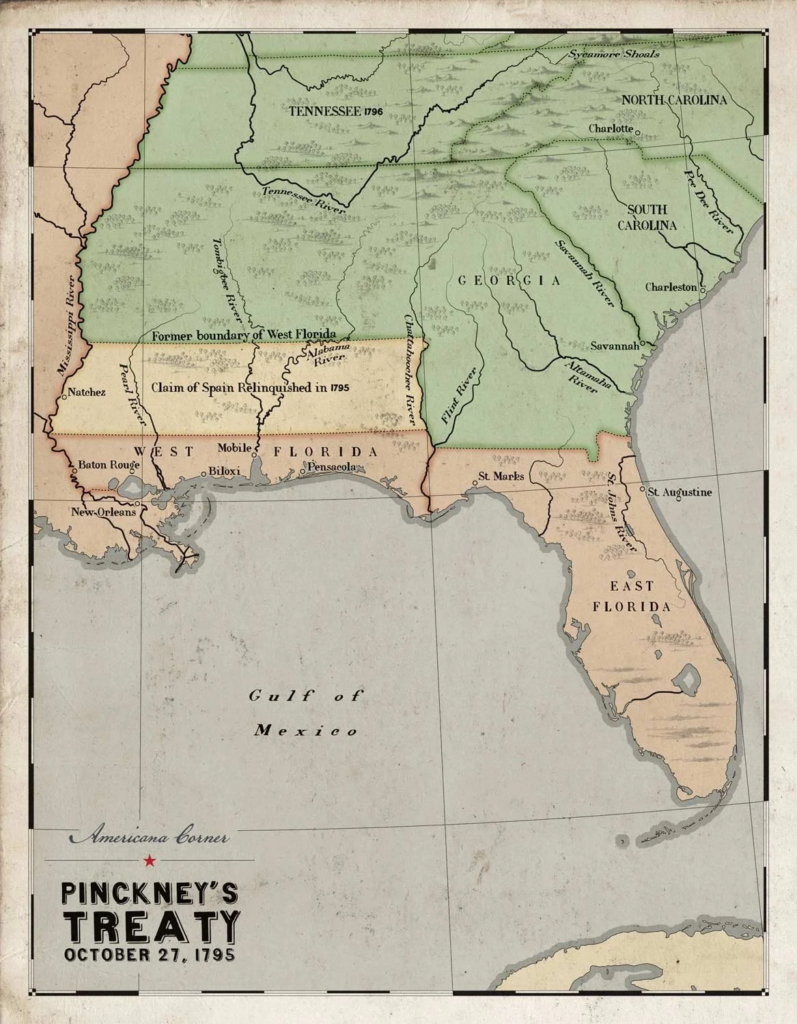
As per the 1795 Treaty of San Lorenzo, Mississippi enters the US as a territory on April 7, 1798.
In preparation of a possible war with France, President Adams appoints Benjamin Stoddert as the first Secretary of the Navy May 3, 1798.
Adams places the nation on a War Footing May 28, 1798 with an authorization to enlist 80,000 men in case of invasion; Congress also authorizes the US Navy to seize French vessels if they attack American shipping in US waters.
In what becomes a bitter dispute, Congress authorizes and Adams signs a very divisive issue; the Alien and Sedition Acts between June 18 and July 14, 1798.
All treaties between the US and France are declared null and void by Congress while George Washington is declared the Commander in Chief of the US Army July 7, 1798.
September 12, 1798 Benjamin Franklin’s grandson (Benjamin Franklin Bache) is arrested for violation of the Sedition Act for libeling President Adams.
Thomas Jefferson authors a resolution called the Kentucky Resolution that authorizes states to override Federal Powers not enumerated in the US Constitution November 16, 1798. Jefferson is angry with the Adams administration over enactment of the Alien and Sedition Acts.
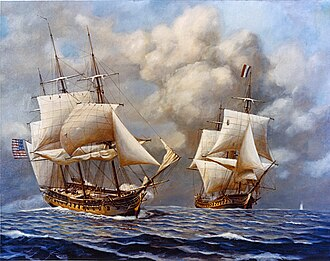
February 9, 1799 the US Navy’s USS Constitution captures the French vessel L’Insurgente.
March 30, 1799, Adams appoints Chief Justice Oliver Ellsworth, North Carolina Governor Davie and Van Murray as envoys to France after assurances the envoys would be received with respect.
US Diplomats conclude a “Treaty of Amity” between the US and Prussia, July 11, 1799.
Thomas Cooper is convicted of libel under the Sedition Act against President Adams, October 26, 1799.
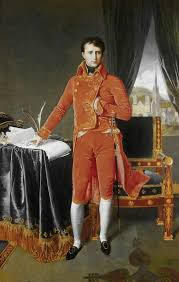
Napoleon Bonaparte came to power as the First Consul of the French Republic, December 13, 1799.
January 10, 1800, Congress finally passes a Treaty with Tunis originally negotiated in 1797.
The United States Frigate Constitution defeated the French vessel La Vengeance, February 1, 1800.
President Adams signs into law “The Federal Bankruptcy Act” April 4, 1800.
April 24, 1800 President Adams signs the resolution establishing the “Library of Congress”.
May 7, 1800 Congress divides the “North West Territory” into two parts, one retaining the name “The North West Territory” while the other is named “The Indiana Territory”.
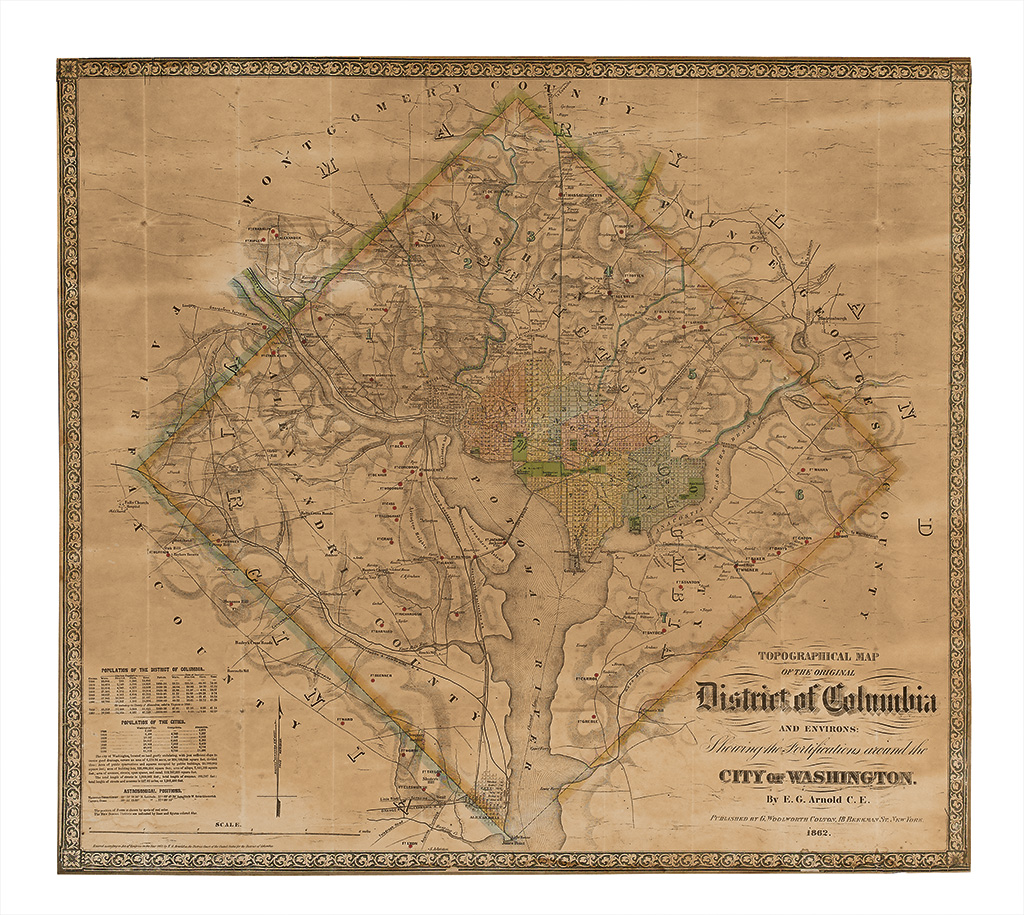
The city of Washington in the District of Columbia becomes the official capital of the United States June 1, 1800. Adams will move to the new capital along with the Congress in November 1800.
“The Treaty of Morfontaine” will end the quasi- naval war between France and United States with both parties agreeing to return captured vessels and property with the exception of captured French privateering vessels.
Spain cedes the Louisiana Territory to France in a secret treaty known as the “The Treaty of San Ildefonso”, a treaty that leaves many Americans concerned about French intentions.
November 11, 1800 Adams loses reelection to the Presidency that ties Thomas Jefferson with Aaron Burr. The election goes to the House of Representatives where Jefferson is finally declared the winner.
Thomas Jefferson is inaugurated the third President of the United States on March 4, 1801.