The United States and Its Formative Years, Part One
The Confederated Congress, the Articles of Confederation and the part these played in the formation of the current Congress and Constitution.
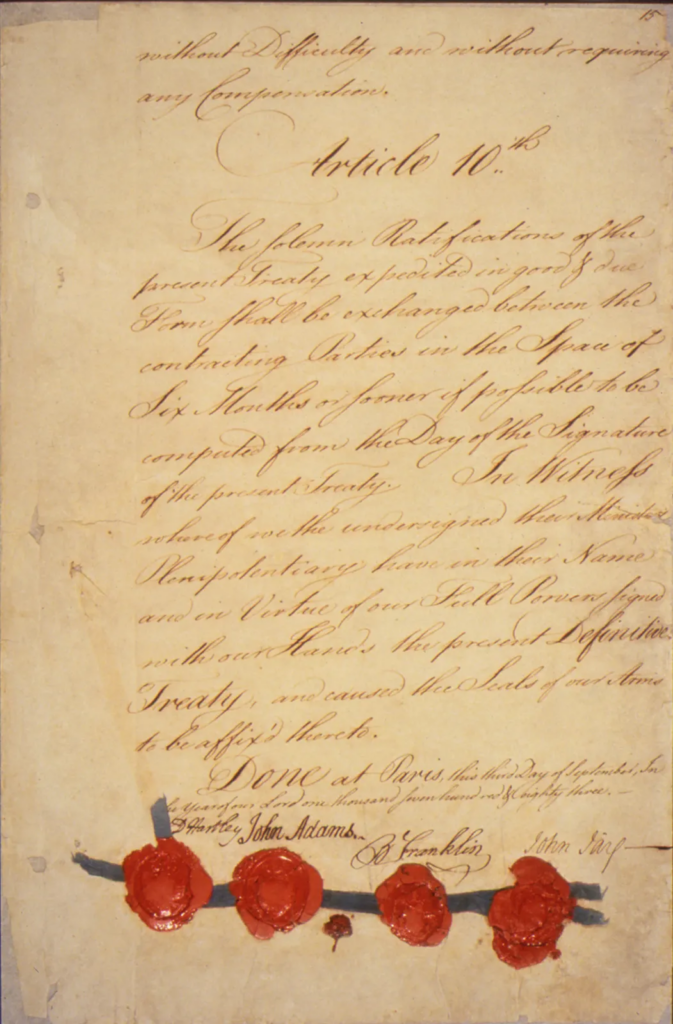
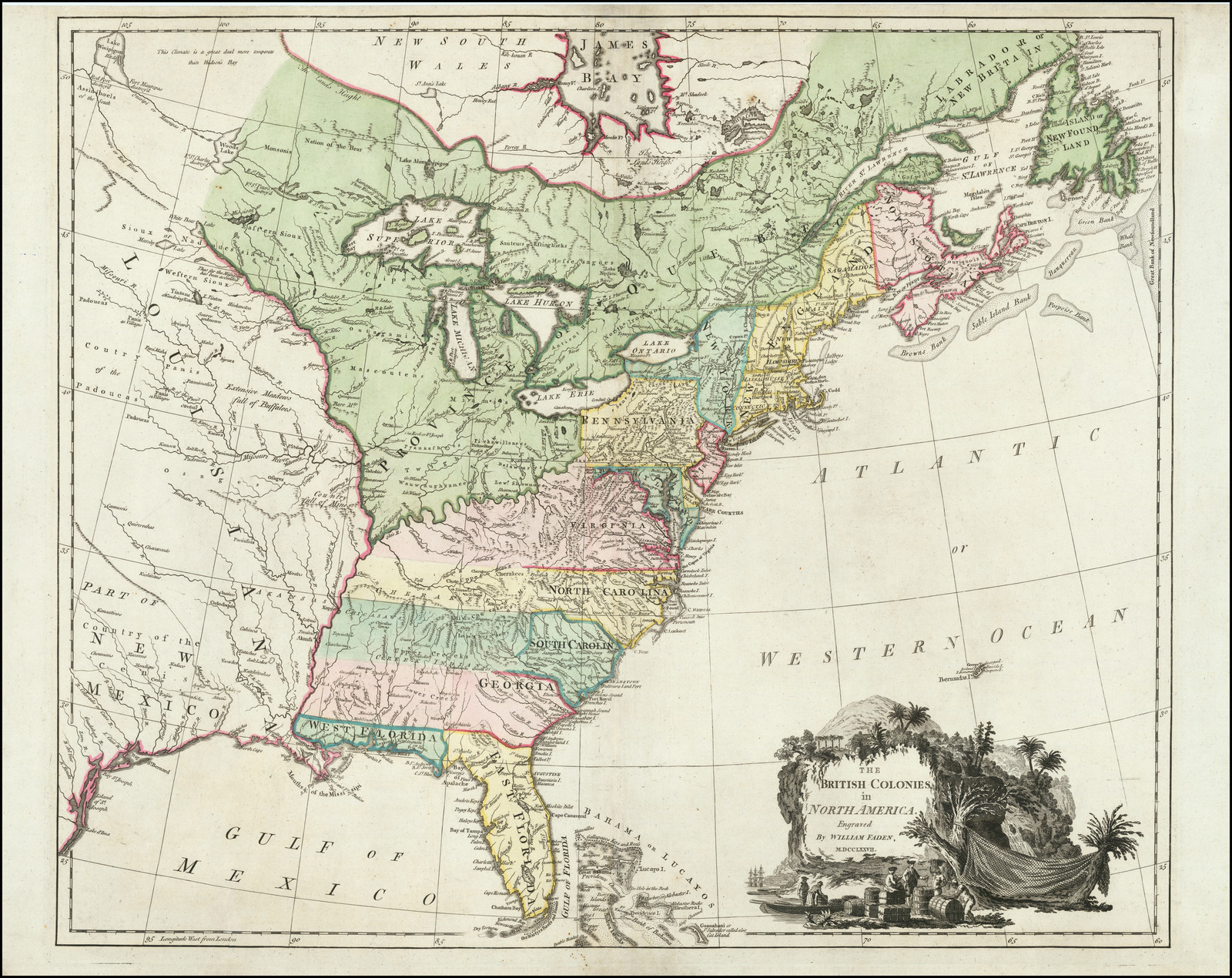
The “Treaty of Paris”’ which was signed September 3, 1783 officially ended the American Revolution with England thereby recognizing the United States as a sovereign nation. The Confederated Congress was formed March 1, 1781 when the Continental Congress was formally disbanded. This body would be the governing authority until the adoption of the current Constitution which was ratified and the new Congress that was formed by the US Constitution, March 3, 1789.
With the conclusion of the War of Independence, the young nation expected an economic boom. That never fully materialized due to a number of factors as some of the issues that prohibited the expected economic growth occurred even before the Declaration of Independence.
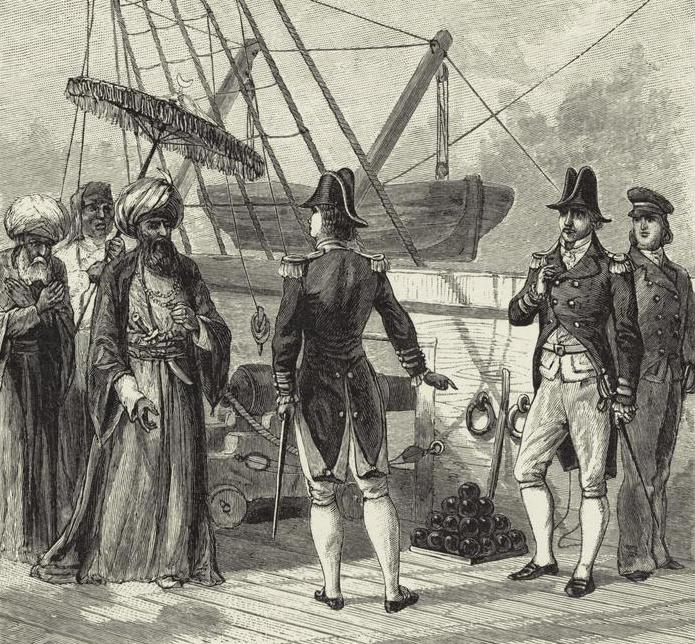
(1) The Prohibitory Act of 1775 was enacted and ratified on December 22, 1775. With its enactment, Britain placed broad restrictions on trade with the colonies and no longer protected American shipping against the lawless seizure of American vessels by the Barbary Pirates along the west coast of Africa and the Mediterranean Sea.
John Adams looked upon this as an act of war and concluded that the colonies were no longer under the protection of Britain. He stated;
“It throws thirteen colonies out of the royal protection, levels all distinctions, and makes us independent in spite of our supplications and entreaties… It may be fortunate that the act of independency should come from the British Parliament rather than The American Congress”.
The Prohibitory Act would finally be repealed 0n August 6, 1861.
(2) With the exception of Britain as a trading partner, another factor that prohibited a full financial recovery was the amount of debt held by both the Federal government and the states. The Federal debt stood at 12 million dollars while the states held 44 million dollars in additional debt. This caused many nations to timidly trade with the former British colonies as they feared default and demanded sizable interest rates to protect themselves. These practices accentuated prices in the young nation driving it even further into debt.
(3) The Articles of Confederation became the de facto Constitution of the United States and were debated for quite some time beginning in July of 1776, continuing until November of 1777. The Articles were finalized November 15, 1777, but were not ratified by all the states until March 1, 1781. Although the Articles had been constructed to bind the young nation together, they contained a few faults that only later became fully evident.

In a 2017 article, Louise Gaille identified 5 positive and 6 negative aspects of the Articles of Confederation.
The pros were:
(a) The Articles were the first attempt to bring unity to the colonies. As things were, the colonies were not unified except in their efforts to throw off what they saw as British tyranny. Cohesion was the first thing the Articles were able to effectively enact, as unity was essential for success to follow.
(b) The lack of a centralized government (all federal issues had to be submitted to the Continental Congress further eroding the effectiveness of the Articles of Confederation) did not allow foreign governments to communicate with the individual colonies, therefore, any kind of official assistance was often thwarted and in come cases not at all possible. During the Revolution, France sidestepped this issue by shipping war materials clandestinely to the colonies through the Roderigue Hortilez Company.


(c) The Articles made it possible for residents of every colony to travel unfettered between all the colonies without the need for papers and or pass ports.
(d) The Articles fostered trade and financial efforts between the colonies further enhancing the feelings of unity and cohesiveness. By working together, the colonies were able to accomplish things that heretofore had been hindered by lack of cohesion and cooperation.
(e) The Articles required that all the states had to agree in order that the articles be changed and or amended making effective changes near impossible.
The cons were:
(a) It took a long time for the Articles to be ratified, this obstacle took the form of lassitude further destabilizing the states in their efforts to bring unity and cohesion as every state was treated as though it were another nation instead of a state.
(b) The Articles had no authority to regulate trade, both foreign and domestic, leaving trade to often languish even between the separate states to the detriment of both the state and Federal government.
(c) The Articles provided no ability for the purpose of taxation; therefore the Federal government had to depend on the states to provide money for the government to even exist. The pleas for money by the government often were unheeded thereby hampering the government’s ability to operate efficiently.
(d) The Articles provided no regulation of commerce between the states allowing states to treat each other as nations instead of fellow states. This led to many states issuing their own currency driving both prices and inflation higher to the detriment of the other states.
(e) One of the most glaring deficiencies of the Articles was the issue of taxation as southern states wanted only white people to be counted for the purpose of taxation; while the northern states wanted every person except Native Americans to be counted for the purpose of taxation. This issue would not be rectified until the Civil War, some 80 years later.
(f) The Articles provided no avenue for declarations due to emergencies; floods, Indian uprisings or invasion by another nation plus the Congress was the only entity that could declare war and only with a quorum of nine states that was not always available.
Many of these issues were seen as to be insurmountable and became the impetus for the Constitutional Convention in which the present US Constitution was born. But for the US Constitution to come to fruition, it required the force of will by some of the more powerful names in the young nation to become involved. Just to name a few, George Washington, Benjamin Franklin, John Adams, James Madison and Thomas Jefferson. Patrick Henry was invited but declined to attend as he feared that a strong central government would harm individual states rights.
Walt Mow 2026