The United States and its Formative Years… Part 5
Thomas Jefferson and his administration
After a contentious election that ended in a tie, Jefferson was inaugurated as the third President of the United States with Aaron Burr as Vice President March 4, 1801.
May 14, 1801, Jusuf Karamini, Pasha of Tripoli declares war on the United States when Jefferson refuses to pay more tribute to Tripoli in exchange for protection from piracy against US ships.
July 10, 1801, William C. C. Claiborne is appointed Governor of the Territory of Mississippi.
December 8, 1801, Jefferson’s first state of the Union Address (the seventh such address) is read to the House of Representatives.
January 8, 1802 the United States and Britain convene to settle some of the issues in the 1794 Jay Treaty.
February 6, 1802 Congress authorizes the arming of merchant ships to ward off Tripoli pirates in the war with Tripoli.
March 16, 1802 Congress establishes The US Military Academy at West Point and reduces the size of the army to its 1796 limits.
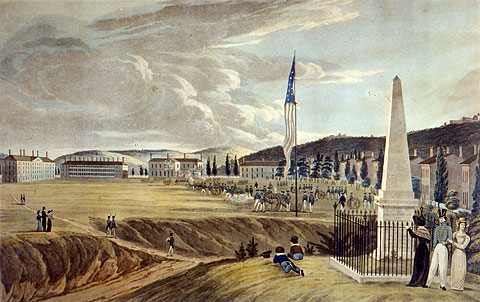
April 6, 1802 the excise tax on whiskey is repealed; April 14, the Naturalization Act of 1798 reverts to the original 5 year residency requirement; April 24, Georgia cedes its western territory to the United states and April 30, 1802, Jefferson signs the Enabling Act establishing the requirements for a territory to become a state.
May 3, 1802 Congress officially incorporates the city of Washington, D. C.
August 11, 1802, the United States and Spain agree to refer all disputes between the two countries to a special convention at Madrid.
On January 11, 1803 Jefferson appoints James Monroe to France and Spain with instructions to purchase New Orleans. Much to Monroe’s surprise, the current minister, Robert Livingston is informed that Napoleon is willing to sell the entire Louisiana Territory to the United States.
February 19, 1803 Ohio becomes the 17th state and is the first state to prohibit slavery.
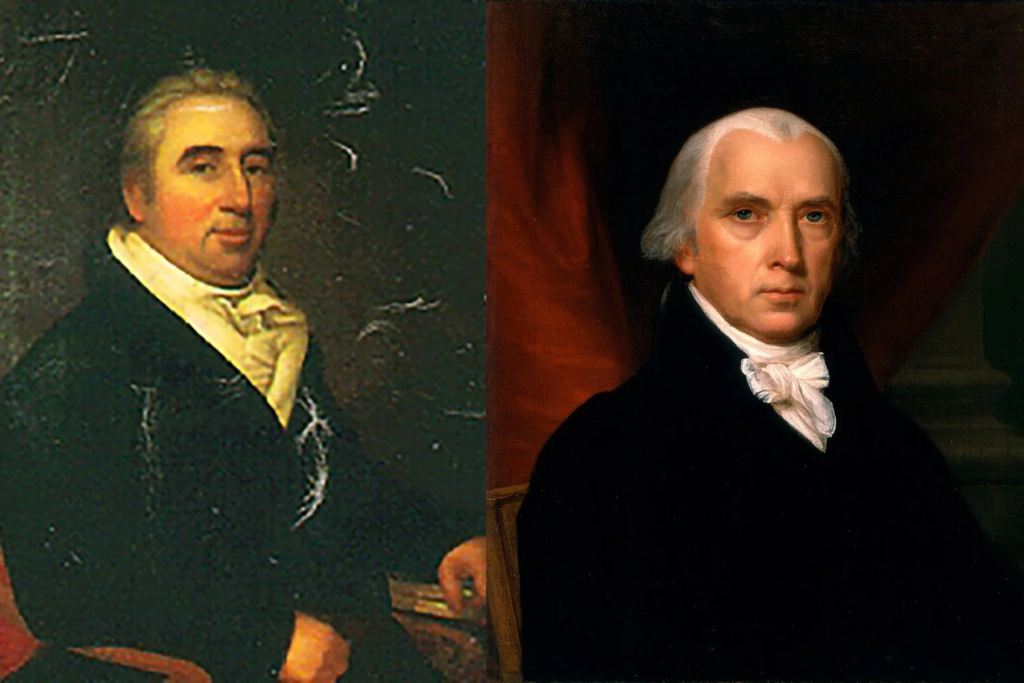
February 24, 1803, the Supreme Court ruled in Madison v. Marbury, the suit that set the precedent that the court could decide the constitutionality of laws passed by the congress.
April 19, 1803 Spain opens New Orleans and the Mississippi River to US merchants and shipping.
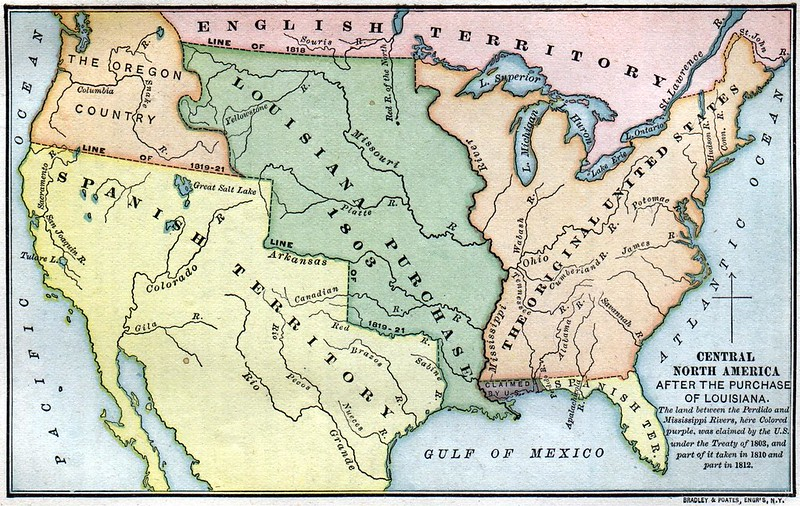
April 30, 1803 ministers Livingston and Monroe sign a treaty allowing the US to purchase the Territory of Louisiana that increases the size of the United States by 820,000 squares miles. The Treaty was ratified in October of 1803 with a total price of $15 million dollars, or 4 cents per acre.
May 3,1803, Jefferson appoints Commodore Edward Preble of the US Navy to confront the Tripoli pirates with a squadron of US Naval vessels. August 31, 1803 Captain Meriwether Lewis sets off from Pittsburgh to begin the exploration of the Louisiana Purchase. Lewis selects William Clark co-leader.
December 9, 1803 Congress passes the Twelfth Amendment to the Constitution that states that electors must vote for the president and vice president separately. December 20, 1803 the French flag is lowered and the US flag raised as the Louisiana Purchase is officially turned over to the US.
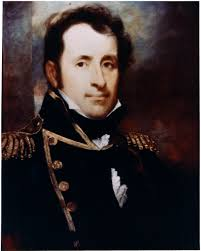
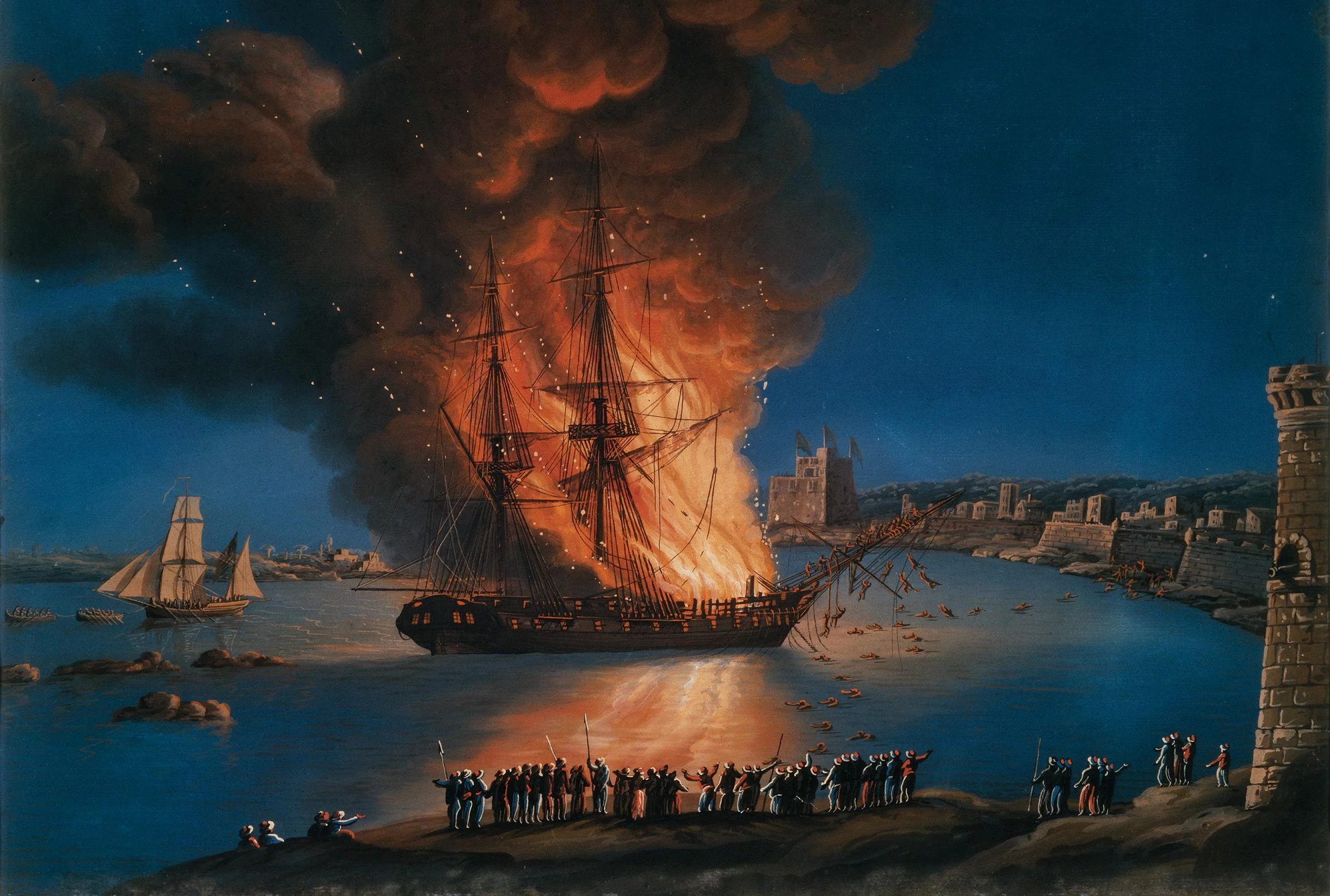
February 16, 1804 Lieutenant Stephen Decatur burns the captured US frigate Philadelphia to keep it from being used by the Tripoli Pirates. No US Naval personnel are killed in the action.
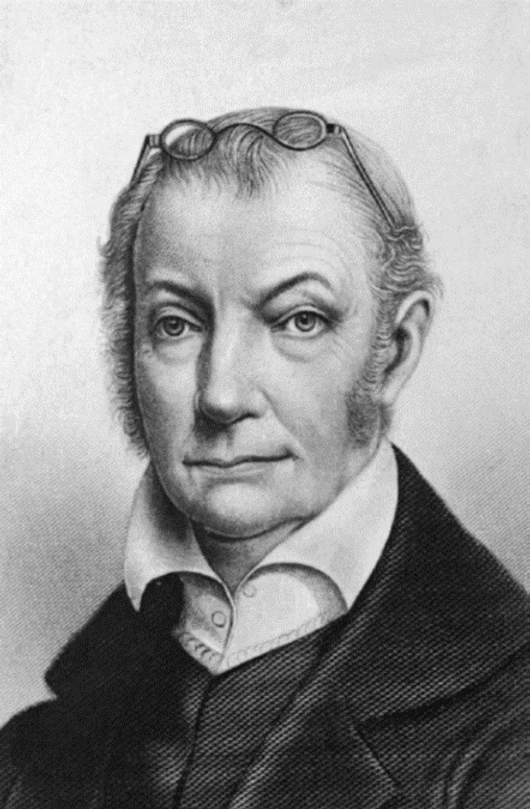
March 26, 1804 Congress splits the Louisiana Purchase, the southern part becomes the Territory of Orleans while the northern part is called the district of Louisiana. July 11,1804 Aaron Burr kills Alexander Hamilton in a duel highlighting Hamilton’s feelings of distrust against Burr.
September 25, 1804 Congress ratifies the Twelfth Amendment to the US Constitution. November 13, 1804 the fifth presidential election is held under the auspices of the Twelfth Amendment.
December 5, 1804 Thomas Jefferson is re-elected President of the United States with George Clinton voted to be Vice President after dropping Aaron Burr from his administration.
March 4, 1805 Thomas Jefferson is inaugurated President with George Clinton as Vice President.
April 26, 1805 Lewis and Clark reach the mouth of the Yellowstone River.
April 27, 1805 US Marines operating with Arab allies capture the Tripolitan port city of Derna.
June 5, 1805 the Tripolitan War ends with the signing of A Treaty of Peace and Amity.
July 23, 1805 Aaron Burr arrives in the city of New Orleans with plans to set up a new country with himself as head and a plot to invade Mexico. Also on the date, Britain justifies the seizing of US merchant ships in neutral ports under the auspices of and invoking the rule of 1756.
November 7, 1805 the Corps of Discovery under the command of Lewis and Clark reach the Pacific Oceans after a journey of 4,000 miles and nearly 18 months of arduous travel.
December 5, 1805 Jefferson addresses Congress about attaining Florida from Spain, cautioning that it may become necessary to declare War against Spain.
January 11, 1806 Michigan if formed from the Territory of Indiana. March 9, 1806 Congress authorizes the building of a National Road from Cumberland, Maryland to the Ohio River.
April 18, 1806 Congress passes a law against the importation of British goods in retaliation for Britain’s seizure of American ships and the impressment of American sailors to man British ships.
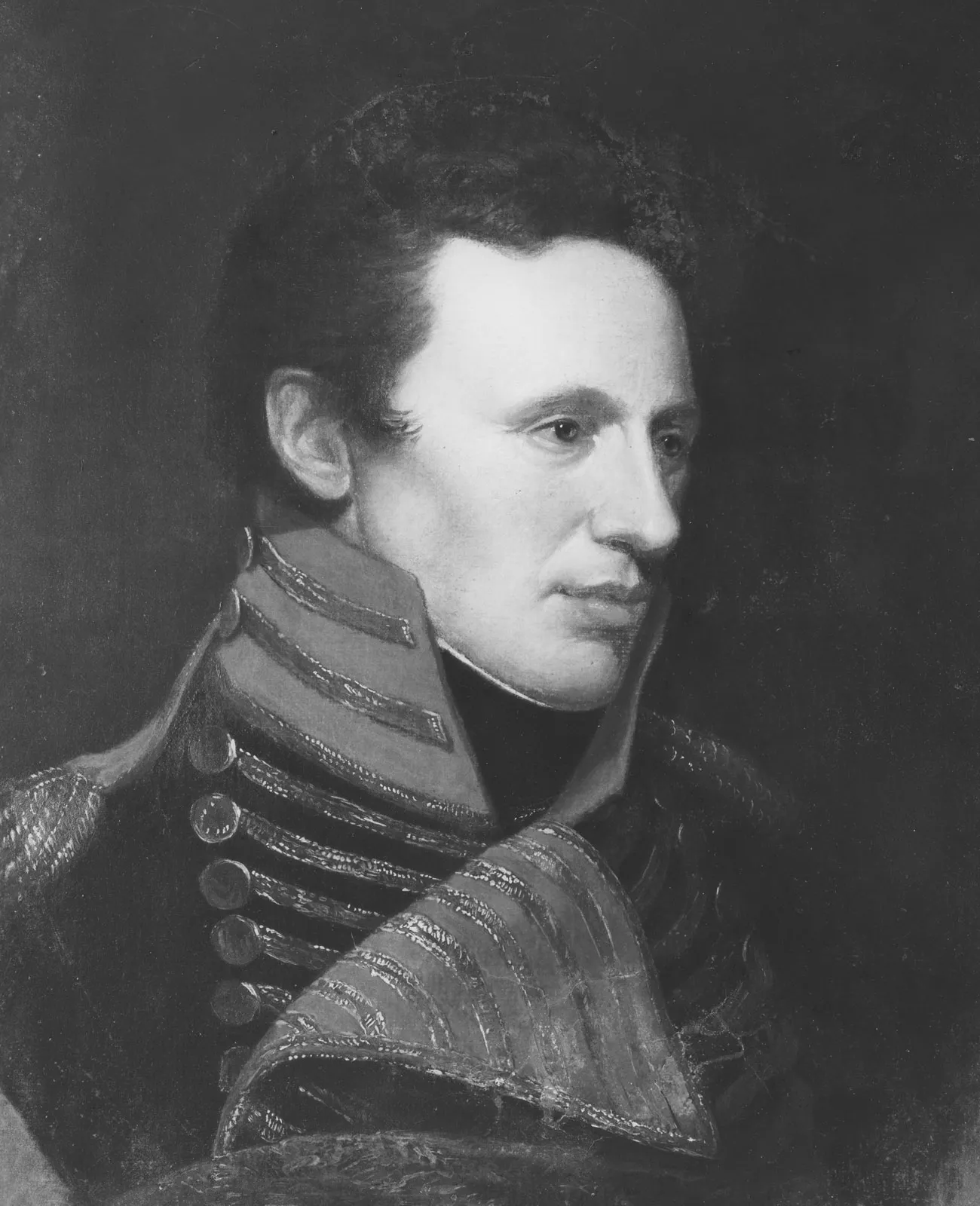
July 15, 1806 Zebulon Pike begins the exploration of the western part of the Louisiana Purchase.
James Monroe and William Pinckney commence negotiations with the British official Lord Holland about the current naval hostilities, August 27 1806.
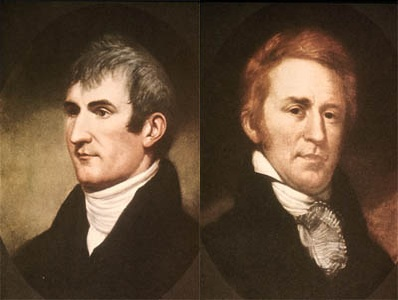
September 23, 1806 the Corps of Discovery arrives back in Saint Louis after exploring much of the Louisiana Purchase and the Pacific Northwest.
Congress passes a bill authorizing reorganizing the US Military October 21, 1806.
November 26, 1806 Jefferson warns US citizens against plots to invade Spanish Property.
December 12, 1806 President Jefferson requests a ban on slavery from the US Congress.
February 19, 1807 Aaron Burr is arrested for his alleged conspiracy against the US government.
March 2, 1807 Congress bans the importation of slaves within US jurisdictions after January 1, 1808.
March 12, 1807 The Embargo Act now allows the transport of foreign goods from foreign ports.
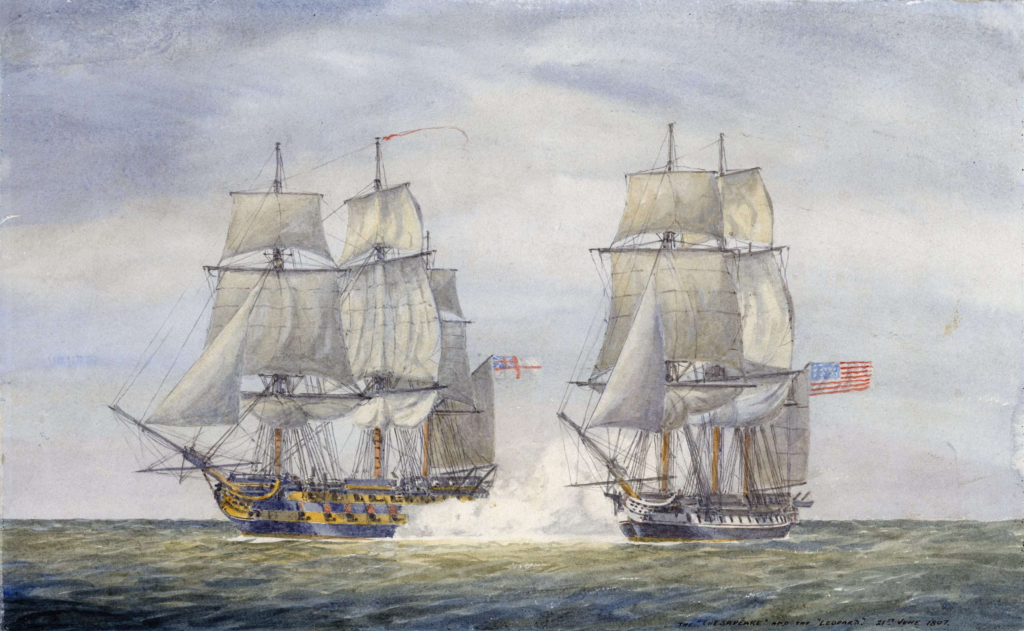
June 22, 1807 the British vessel Leopard fires on the US Chesapeake after US commander James Barron refuses to surrender four British deserters on board the Chesapeake.
September 7, 1807 Aaron Burr is acquitted of Treason in a Richmond Circuit Court.
October 17, 1807 Britain declares it will continue to impress American sailors it believes to be British citizens despite Jefferson’s vehement protest against the practice.
November 11, 1807 Britain issues its “Order in Council” that prohibits nations from trading with France.
December 17, 1807 Napoleon issues the Milan Decree forbidding trade with England.
December 22, 1807 Jefferson signs the “Embargo Act” halting trade with all nations in retaliation for the increasingly coercive trade policies of England and France.
January 1, 1808 the law banning the slave act goes into effect. January 11, 1808 the Second Embargo act goes into effect. April 17, 1808 Napoleon declares the “Bayonne Decree” authorizing the seizure of US shipping in French ports.
November 8, 1808 the Sixth US Presidential election is held.
December 7, 1808 James Madison is elected President of the United States.
March 1, 1809 Congress repeals the “Embargo Act” and Jefferson signs the “Non- Intercourse Act” the same day.
March 9, 1809 James Madison is inaugurated as the fourth President of the United States with George Clinton as Vice President.
Walt Mow 2026