The United States and its Formative Years… Part 7
The Administration of James Monroe
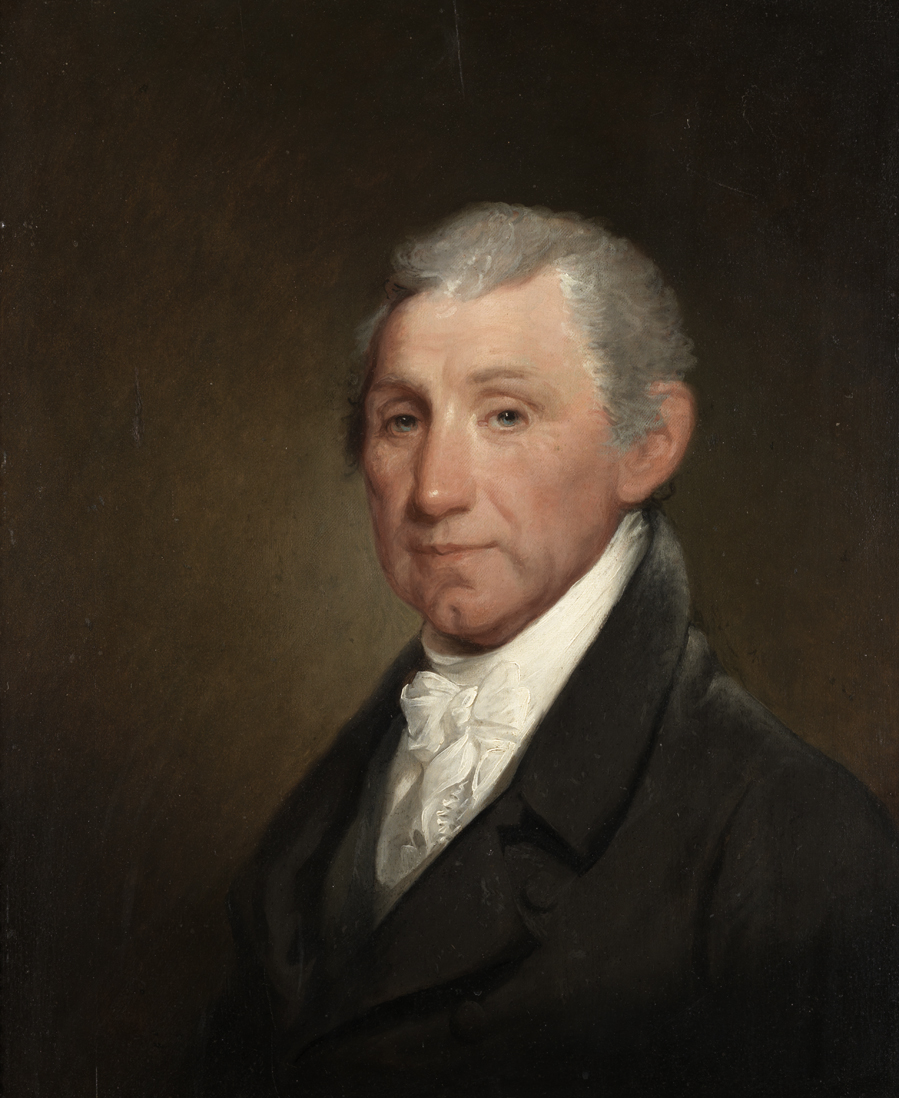
James Monroe was elected President with 183 electoral votes and was inaugurated on March 4, 1817 as the fifth President of the United States.
On April 29, 1817 Monroe signed the “Rush- Bagot Treaty”, to demilitarize the Great Lakes marking a period of cooperation between the United States and Britain.
May 31, 1817 Monroe began a tour of several states and territories that issued in what has been called, “The Era of Good Feelings”, promoting national unity and unity after the War of 1812 that ended on September 17, 1817.
June 5, 1817 Monroe authorizes a three man commission to tour South America to gather information about the governments of the region with the fact finding tour ending in July of 1818.
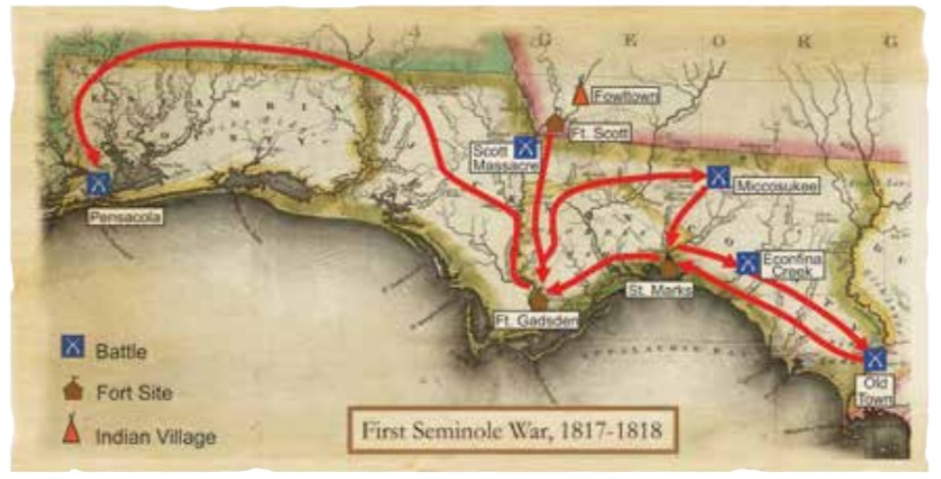
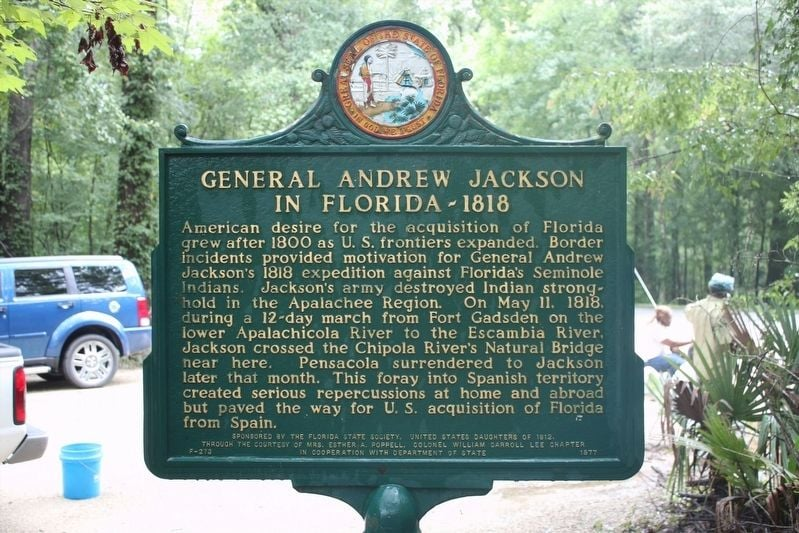
November 21, 1817 the “First Seminole War” begins after the Seminole Nation began aiding and abetting runaway slaves that escaped from plantations in southern states.
December 2, 1817 Monroe addresses the Congress in his first “State of the Union Address” when he stresses the need for neutrality in actions against European colonies in Latin America.
December 10, 1817 Mississippi enters the US as a state.
December 23, 1817 Monroe repeals the war time taxes of the War of 1812.
December 26, 1817 Monroe’s “Secretary of War” directs Major General Andrew Jackson to confront the Seminole Nation; December 28, 1817 Monroe directs Jackson to actively prosecute the war.
January 1, 1818 General Jackson acknowledges his orders to prosecute the war against the Seminoles.
January 13, 1818 Monroe officially notifies Congress of the occupation of Amelia Island off the coast of Florida that has become a haven for pirates and Venezuelan revolutionaries.
January 21, 1818 Jackson notifies the president of his plans to crush the hostilities of the Seminoles.
March 27, 1818 Monroe directs the dissemination of the records of the Constitutional Convention.
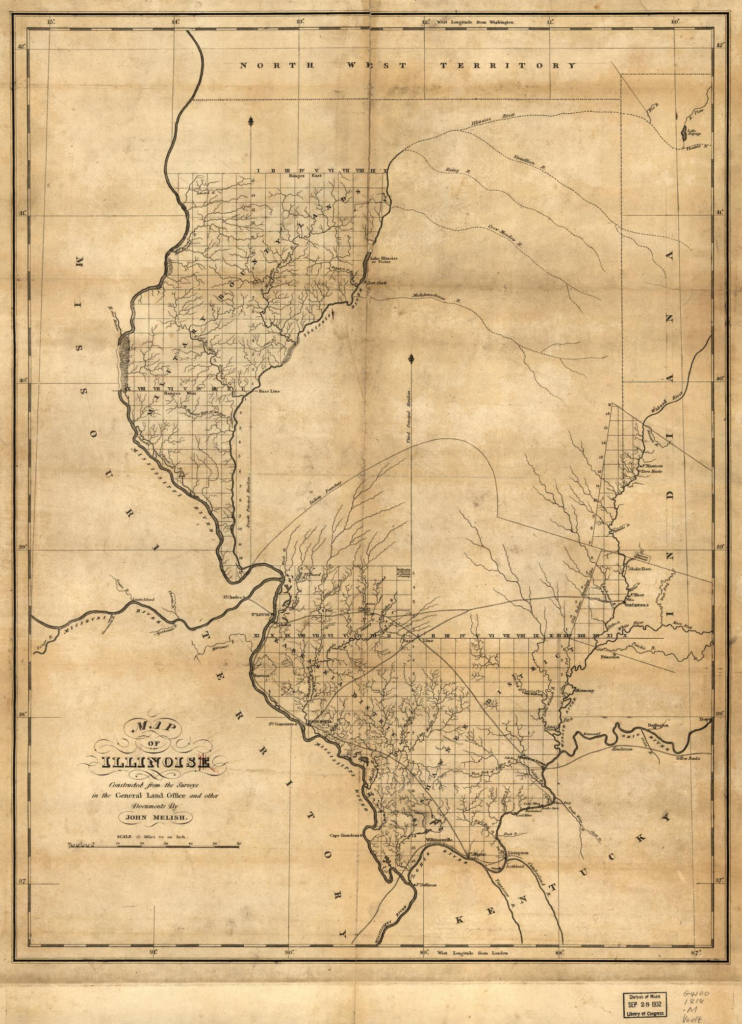
April 18, 1818 Monroe authorizes the Territory of Illinois to begin the process to become a state.
April 28, 1818 the “Rush- Bagot Treaty” becomes Official.
April 29, 1818 General Jackson executes two British subjects after a military tribunal finds them guilty of aiding and abetting the Seminole Indians in their war against the United States.
May 24, 1818 Jackson occupies Pensacola forcing the Spanish governor to flee to Havana, Cuba.
May 28, 1818 Monroe begins a tour of Maryland, Virginia, and North Carolina.
June 17, 1818 Monroe arrives back in Washington, DC after learning of Jackson’s actions.
October 20, 1818 the “Treaty of 1818” is signed that establishes a boundary between the US and Canada and authorizing fishing rights. The treaty is ratified January 25, 1819.
November 16, 1818 Monroe delivers his second “State of the Union Address” in which he recounts the seizure of Amelia Island; General Jackson’s prosecution of the Seminole War and asks for legislation that allows the US to retain possession of havens of resistance to the US such as Amelia Island.
December 3, 1818, Illinois is admitted to the United States as the 21st state.
January 1, 1819 sees the beginnings of a widespread financial retraction due to the expanded credit after the War of 1812; collapse for the price of cotton and the importation of cheap European goods.
February 13, 1819 the debate that begins the Missouri Compromise over slavery starts.
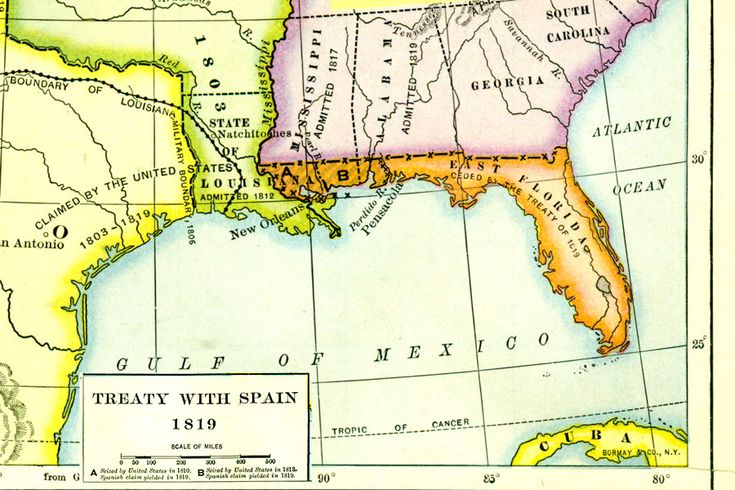
February 22, 1819 the “Adams- Onis Treaty” with Spain is signed which cedes Florida to the US; renounces Spain’s claim to the Oregon Country; recognizes Spain’s sovereignty over Texas and settles a boundary between the United States and New Spain.
March 2, 1819 Monroe signs the “Steerage Act” that regulates arrivals and departures of travelers.
March 2, 1819 the Territory of Alabama begins the process to become a state.
March 3, 1819 begins the process of teaching the Indian tribes the arts and habits of civilization.
March 3, 1819 the President is authorized to take control of East and West Florida.
March 6, 1819 the Supreme Court rules that states cannot tax the United States government.
July 6, 1819 the Secretary of War authorizes an expedition to the mouth of the Yellowstone River.
December 7, 1819 Monroe delivers his third annual “State of the Union Address”.
December 14, 1819 Alabama becomes the 22nd state in the United States.
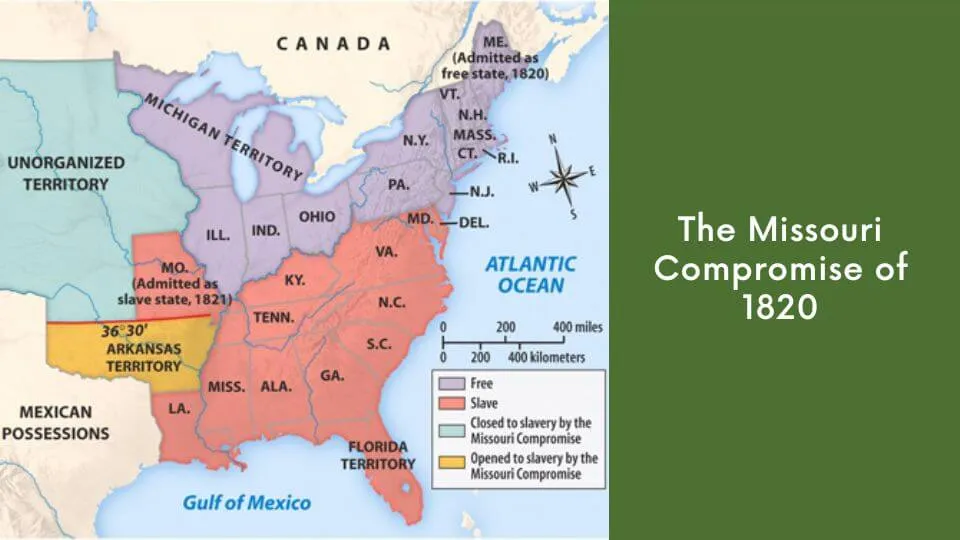
March 3, 1820 Maine is admitted to the United States as a free state.
March 6, 1820 the Missouri Compromise is signed designating which states will be non-slave states and those which will be admitted to the US as slave states. Monroe supported the compromise.
March 17, 1820 an agreement dated April 24, 1802 allowed the state of Georgia to extinguish Indian title to lands claimed by the Creek Indians within the state of Georgia.
May 15, 1820 an act to limit the length of time an appointee could hold office to four years.
November 14, 1820 Monroe delivers his fourth annual “State of the Union Address”.
December 6, 1820 Monroe is re-elected President with over 90% percent of the electoral votes.
February 22, 1821 Monroe seeks implementation of the “Adams- Onis Treaty” of 1819.
March 2, 1821 Monroe signs the “Military Establishment Act” that reduces the size of the Army.
March 2, 1821 an Act for the relief of public land purchasers signed into law.
March 4, 1821 Monroe is inaugurated to his second term as President.
August 10, 1821 Missouri is accepted in the United States as the 24th state.
December 3, 1921 Monroe delivers his fifth “Annual State of the Union Address”.
March 8, 1822 Monroe proposes the recognition of Independent Republics in Latin America.
March 30, 1822 Florida is authorized to establish a Territorial government.
May 4, 1822 Monroe signs an act allowing money to be appropriated for diplomatic missions to Latin and South American governments as these governments become viable nations.
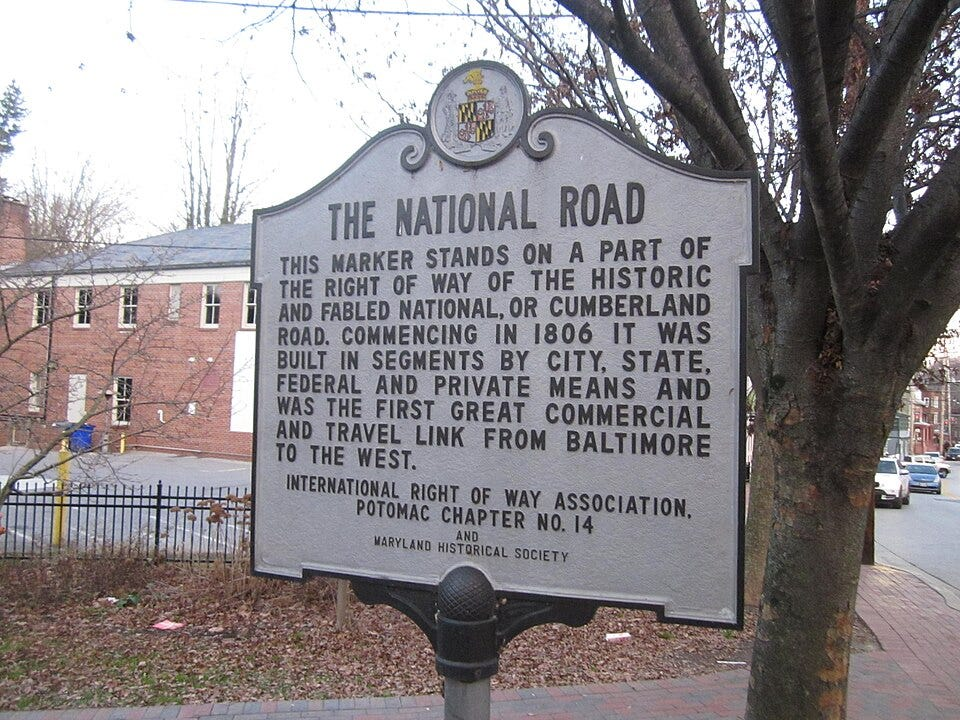
May 4, 1822 Monroe vetoes the “Cumberland Road Act’ as being unconstitutional; Monroe will only use the power of the veto once during his eight years in the White House.
June 24, 1822 Monroe will proclaim a “Treaty of Commerce and Navigation between the US and France on the same day Secretary of State John Quincy Adams signs the treaty.
December 3, 1822 Monroe will make his sixth “State of the Union address” to Congress.
March 3, 1823 Monroe signs an authorization establishing governments in lands ceded by Spain.
December 2, 1823 Monroe articulates the “Monroe Doctrine” that seeks to stop the colonization of the Western Hemisphere by European Colonial Powers. This would be his most significant act.
March 30, 1824 Monroe will address the issue of title extinguishment in Georgia. He does not favor forcible removal of the tribes and states the tribes best outcome would be for them to voluntarily remove themselves from the present states and territories of the United States.
April 30, 1824 Monroe signs the “General Survey Act of 1824”.
May 22, 1824 Monroe signs “The Tariff Act of 1824” to protect American manufactured goods.
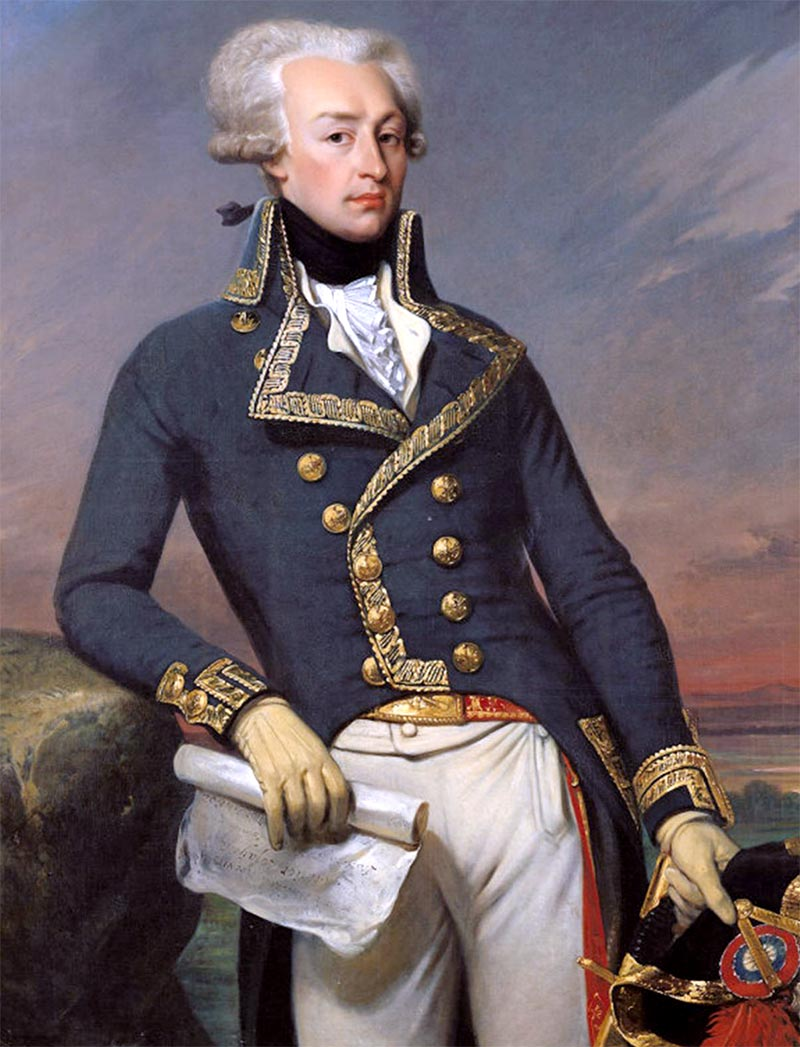
August 24, 1824 General Lafayette begins his tour of America before returning to France.
December 7, 1824 Monroe delivers his eighth “State of the Union Address”.
January 12, 1825 Monroe declares the “Russo – American Treaty of 1824” effective immediately.
January 27, 1825 Monroe recommends the removal of the Indian tribes west of the Mississippi.
February 28, 1825 Monroe concludes a treaty with the Creek Nation that extinguishes their title to all lands in the US and facilitates their subsequent removal to west of the Mississippi.
March 3, 1825 Monroe signs the authorization of the Chesapeake and Ohio Canal Company.
Monroe declines to run for President again.