The American Revolution Part 2
A period of relative calm ensued during the years between 1765 and 1773, but turmoil returned with a vengeance after the Boston Tea Party in the late fall of 1773. A call for a convention of the colonies resulted in the formation of the First Continental Congress.
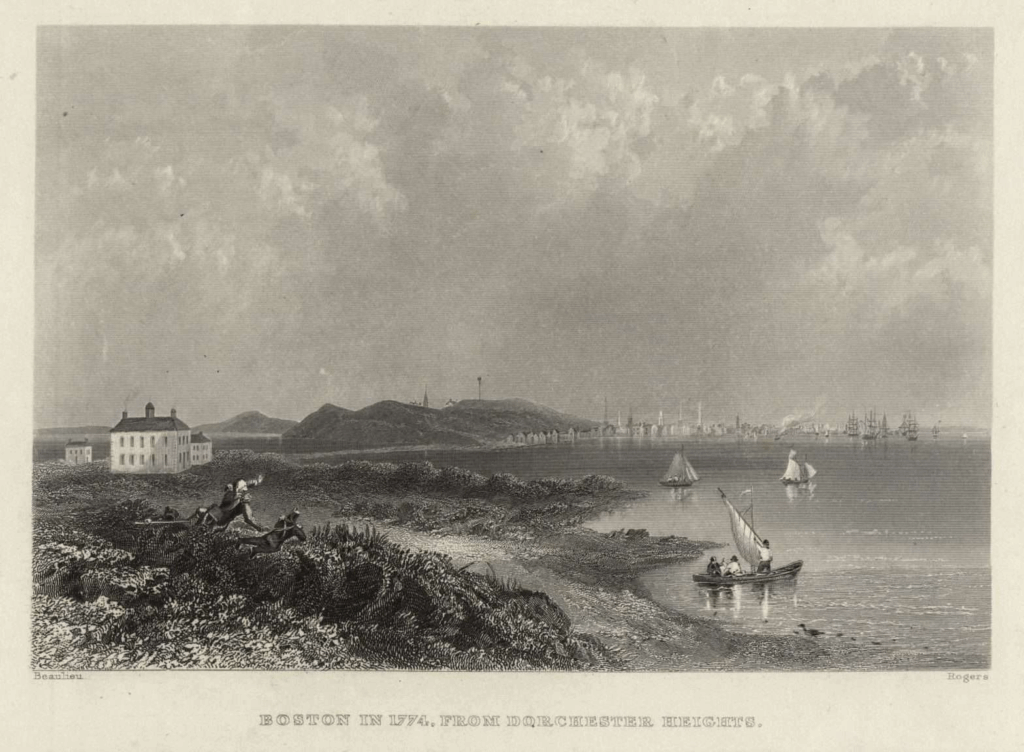
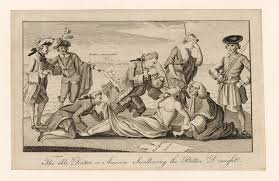
The First Continental Congress was called into being in the fall of 1774. Its formation was a reaction to Parliaments passing a series of acts that punished the colony of Massachusetts for the Boston Tea Party on December 16, 1773 with the 4 Intolerable Acts of early 1774.
The acts were as follows:
- The Boston Port Act closed the Port of Boston to all traffic and trade;
- The Massachusetts Government Act revoked the colonies charter and placed all government appointments in the hands of the governor;
- The Administration of Justice Act called for most trials to be held in England;
- The Quartering Act called for the placement of British troops in private homes.
Many of the delegates were convinced the Massachusetts contingent led by Samuel Adams would be very radical in their demands; they were pleasantly surprised when that did not happen. The fire brands that led the Radicals turned out to be Patrick Henry of Virginia and Christopher Gadsden of South Carolina.
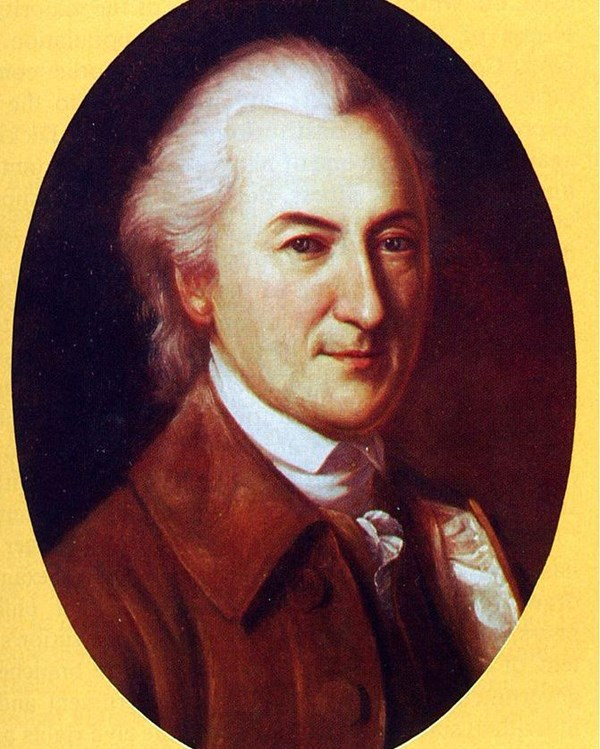
A small group of conservatives led by John Dickinson and Joseph Galloway felt the need to petition the King for the strong issues against Massachusetts which in reality were ignored by the King.
Carpenters Hall in Philadelphia is where the delegates of 12 of the colonies met. Georgia was not represented in the First Continental Congress. Although little was actually achieved in the first congress beyond a proposed boycott of British goods if the Intolerable Acts were not rescinded; a feeling of unity resulted in that the delegates found that they had much in common. They also came to the conclusion that what happened to one colony could easily befall them all. They all agreed to meet the next year if their concerns and requests for redress were not appropriately answered.
Before the First Continental Congress had finished its business, an action called the “Massachusetts Powder Alarm” happened as General Thomas Gage ordered the British Army to remove powder from a magazine in Charlestown, a village across the bay from Boston, September 1, 1774. This is considered to be the first military action of the Revolutionary War only to be followed by an action in December of that year. On December 14, 1774, American patriots stormed Fort William and Mary at the mouth of the bay at Portsmouth, New Hampshire and seized the powder stored there.
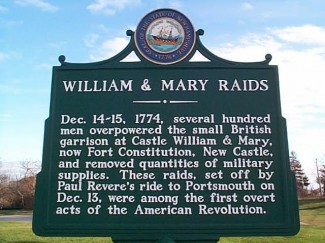
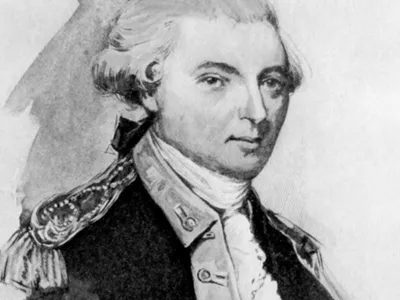
The following day, December 15, 1774, patriots led by John Sullivan reentered the fort and confiscated several cannon that were later used at the Battle of Bunker Hill. April 19, 1775, the “Shot Heard Round the World” at Lexington Green and the ensuing raid on Concord was an American action against the British and was the first large-scale action by the Americans.
On the same day the “Battle of Meriam’s Corner” followed as The British attempted to retreat from Concord to Boston. Also on this date, the “Siege of Boston” began. All three actions were considered victories against the British Army. April 23, 1775 saw the “Sons of Liberty stage a raid on the New York City Armory, taking muskets, bayonets and cartridge boxes during the raid; another American victory…
The Revolutionary War was truly underway…
Walt 2025