The American Revolution Part Three
On May 10,1775 the Second Continental Congress was convened to consider how to deal with the lack of response to the Intolerable Acts. They also were to determine what their response should be to the Battles of Lexington and Concord and the siege of Boston.
At the time of the convening of the Second Continental Congress on May 10, they had no knowledge of the conquest of Forts Ticonderoga and Crown Point on Lake Champlain by Ethan Allen and the Green Mountain Boys that occurred on that date.
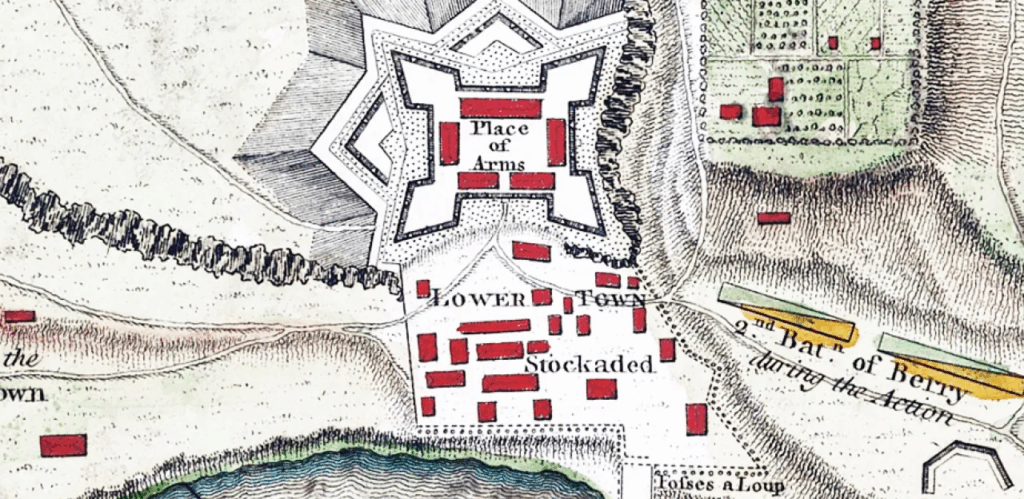
Ethan Allen was elected colonel by the 120 volunteers he had recruited to aid him in the capture of the two British held forts. A newly commissioned Colonel, Benedict Arnold met with Allen and demanded he be given command of the raid. Members of the Green Mountain Boys objected to Arnold’s demands, and said they would go home rather than serve under the unknown-to-them Arnold. Arnold reluctantly decided to serve under the leadership of the proven frontiersman Allen rather than return to his Connecticut home with nothing to show for his efforts.
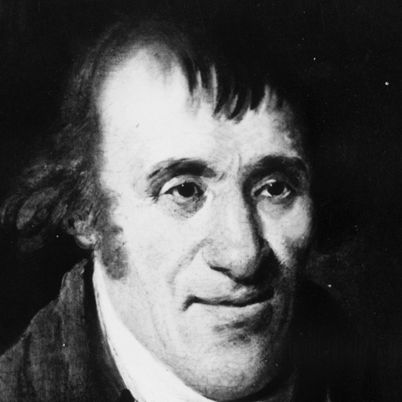
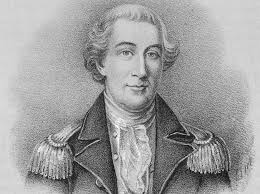
Author’s Note: It is my considered opinion that Benedict Arnold’s desire to be a central figure in the Revolution started with his disagreement with Ethan Allen. Although he proved himself to be both courageous and able, his ego often clouded his judgment. His actions at the Battle of Valcour Island still stand as one of the turning points of the war. But his ego would be his downfall as history seems to validate my opinion of him and his later acts of treachery and treason.
At an intel briefing held by the colonials on June 13, 1775, it was learned that the British intended to fortify the hills above Charlestown giving the British control of Boston Harbor. As a result, 1,700 colonials under the command of William Prescott began the fortification and occupation of Breed’s Hill above the town and making Bunker Hill a command post.
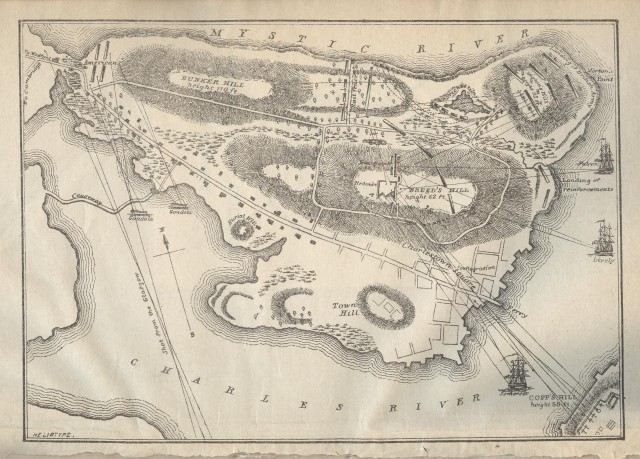
On the morning of June 17, 1775, the British began the assault against the colonial’s redoubt on Breed’s Hill. The British troops were successful on their third assault on the fortifications due to the colonials running out of ammunition. This left the British in control of the Charlestown Peninsula as the colonials retreated from Bunker Hill to avoid capture.
Although a tactical victory for the British, the loss of 1,054 Junior officers and non-commissioned officers would plague the British for much of the remainder of the War. The colonials by contrast lost 450 officers and men.
On June 14, 1775, prior to the Battle of Bunker Hill, the Continental Congress created the Continental Army, the next day they unanimously approved a motion naming George Washington as its commanding general.
July 5, 1775, the Congress adopted the “Olive Branch Petition’ in a desperate attempt to avoid war between the colonies and the British Empire.
On July 6, 1775, the Congress adopted the “Declaration of the Causes and Necessity of Taking Up Arms”. In part it reads:
The Legislature of Great Britain, however, stimulated by an inordinate passion for power, not only unjustifiable, but which they know to be peculiarly reprobated by the very Constitution of that Kingdom, and desperate of success in any mode of contest where regard should be had to the truth, law, or right, have at length, deserting those, attempted to effect their cruel and impolitic purpose of enslaving these Colonies by violence, and have thereby rendered it necessary for us to close with their last appeal from reason to arms.
King George issued a proclamation August 23, 1775, declaring the Colonies in “open and avowed rebellion”. The split between Colonial American and the British Crown was irrevocably sealed.
Walt 2025