The American Revolution Prologue
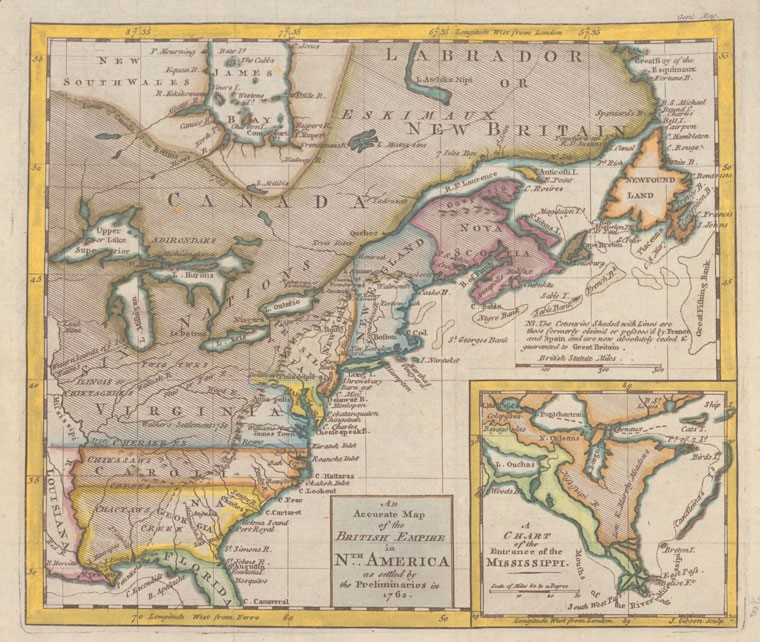
As the American colonies moved toward the final separation from Great Britain, there were several issues that contributed to that final decision.
During the 1740s a religious happening called “The Great Awakening” shattered much of the Protestant movement, pitting various sects against one another but mainly against the Anglican Church. The Church of England had long dominated the colony of Pennsylvania, but as the population became more diverse due to the influx of other European nationalities more Protestant sects began to take hold and became the dominant religion in the colonies.
Radical political perceptions began to be widely accepted among the colonials due to a moral decay that threatened the Protestant culture that for all intent and purpose was basically Puritanism. The moral code of the colonies was a simple acceptance of virtue, frugality, and self-reliance that enhanced the simplicity that was puritan in its basic form as many of the refugees from Europe came to America to escape what they saw as sin.
John Robinson arrived in Newport Rhode Island in early 1765. An honest man whose job it was to make sure all cargoes in and out of the port were legal as bribery of customs officials was rampant in the colony. In April of that year he discovered that the Sloop Polly failed to report its cargo of molasses and had the vessel seized in Dighton, Massachusetts only to have the locals remove all her rigging, the cargo of molasses, run her aground and bore holes in her hull. This kind of disobedience to the Sugar Act was widespread among the colonies.
As part of the Sugar Act, the Parliament had not intended The Royal Navy to seize small craft that plied the inland waters of the colonies, but they seized the vessels, sold the cargoes and pocketed the funds, further alienating the local population against the Royal Navy. The colonials retaliated by failing to have pilots available when the Royal Navy came to port, harassed and followed impressment gangs as the Navy sought sailors for their vessels, and any naval personnel that were ashore.
The Sugar Act followed by the Stamp Act, enacted March 22, 1765, devised by the ministry of George Grenville was an attempt to tax the colonies. Shortly thereafter another name became known in the colonies; that name was Patrick Henry.
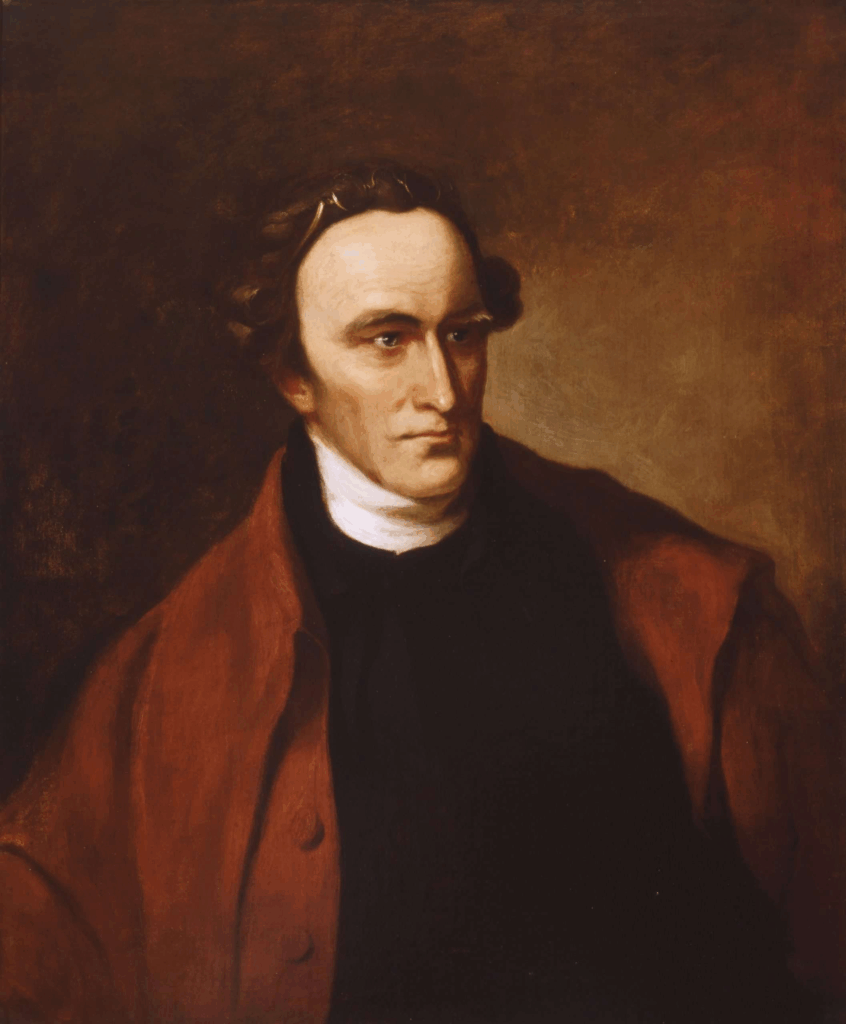
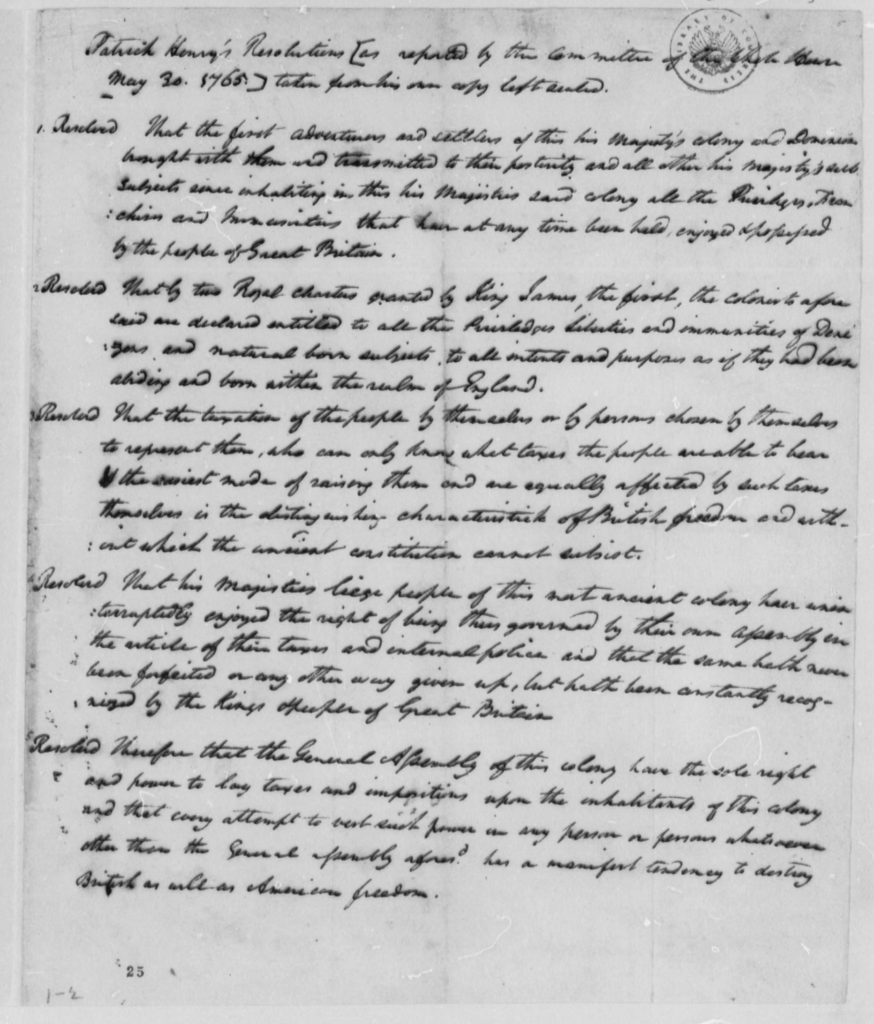
Patrick Henry was elected to the Virginia House of Burgesses in the spring of 1765. Although new to government, young Patrick introduced the Virginia Resolves on May 30, 1765. In all there were 7 Resolves and 5 were passed by the House of Burgesses, May 30, 1765; newspapers of the time publish all seven even though only 5 were passed by the House.
- # 1; Resolved, That the first Adventurers and Settlers of the his Majesty’s Colony and Dominion of Virginia brought with them, and transmitted to their Posterity, and all other his Majesty’s Subjects since inhabiting in this his Majesty’s said Colony, all the Liberties, Privileges, Franchises, and Immunities, that they have at any Time been held, enjoyed, and possessed, by the People of Great Britain.
- #2; Resolved, That by two royal Charters, granted by King James the First, the Colonists aforesaid are declared entitled to all Liberties, Privileges, and Immunities of Denizens and natural Subjects, to all Intents and Purposes, as if they had been abiding and born within the Realm of England.
- #3; Resolved, That the Taxation of the People by themselves, or by persons chosen by themselves to represent them, who can only know what Taxes the People are able to bear, or the easiest Method of raising them, and must themselves be affected by the very tax laid on the People, is the only Security against a burthensome Taxation, and the distinguishing Characteristic of British Freedom, without which the ancient Constitution cannot exist.
- #4; Resolved, That his Majesty’s liege People of this most ancient and loyal Colony have without Interruption enjoyed the inestimable Right of being governed by such Laws, respecting their internal Polity and Taxation, as are derived from their own Consent, with the Approbation of their Sovereign, or his Substitute, and that the same hath never been forfeited or yielded up, but hath been constantly recognized by the Kings and People of Great Britain.
- #5; Resolved, Therefore that the General Assembly of this Colony have the only and sole exclusive Right and Power to lay taxes and Impositions upon the inhabitants of this Colony and that every attempt to vest such Power in any Person or Persons whatsoever other than the General Assembly aforesaid has a manifest Tendency to destroy British as was as American Freedom.
- #6; Resolved, That his Majesty’s liege People, the Inhabitants of this Colony, are not bound to yield Obedience to any Law or Ordinance whatever, designed to impose any Taxation whatsoever upon them, other than the Laws or Ordinances of the General Assembly aforesaid.
- #7; Resolved, That any Person who shall by Speaking, or Writing, assert or maintain, That any Person or Persons, other that the General Assembly of this Colony, with such Consent as aforesaid, have any Right or Authority to lay or impose any tax whatsoever on the Inhabitants thereof, shall be deemed, AN ENEMY TO THIS HIS MAJESTY’S COLONY.
As a result of the Virginia Resolves, he firmly established the refrain, “No Taxation without representation”!! He would continue to be a voice for Colonial America. On March 23, 1775, some ten years after his introduction of the Virginia Resolves, he made his famous declaration:
“I know not what course others may take; but as for me, give me liberty or give me death”!
This concludes the opening of the series the American Revolution
Walt 2025