The American Revolution Part 7
Washington did not sit on his laurels after he defeated the Hessians at Trenton. When intel reached him that the British army was coming he returned to Trenton December 30, 1776 and set up positions on Assunpink Creek to await the arrival of the British. Knowing that many of his men’s enlistment ended December 31, he offered them a ten dollar bonus if they would remain for one month. Failing to get a response he wheeled about and said:
“My brave fellows, you have done all I asked you to do, and more than could reasonably expected; but your country is at stake, your wives, your houses and all that you hold dear. You have worn yourselves out with fatigues and hardships, but we know not how to spare you. If you will consent to stay only one month longer, you will render that service to the cause of liberty and to your country which you probably never can do under any other circumstances.”
First, one soldier stepped forward, then more until nearly all had taken that step forward. On December 31, 1777 Washington learned that General Cornwallis and an Army 8,000 strong were advancing on Trenton.
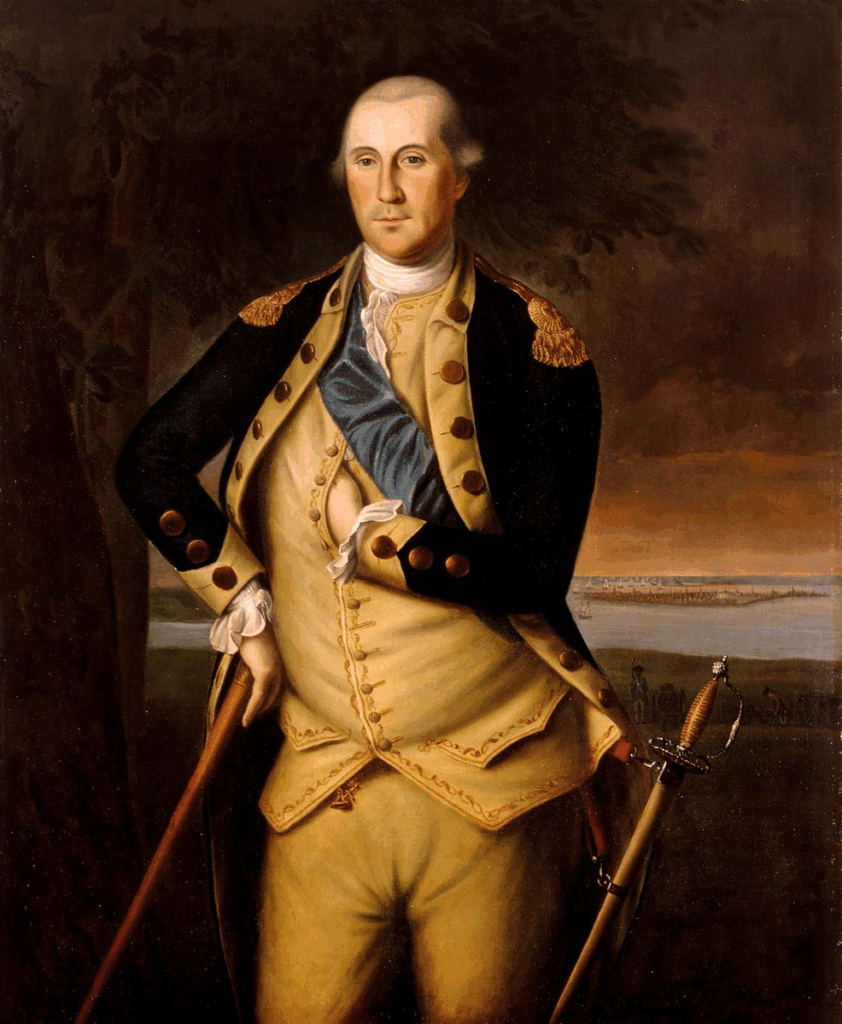
January 1, 1777, Washington received money from the Continental Congress to pay his troops plus orders that gave Washington near dictatorial powers. Washington had his men construct earthworks parallel to Assunpink Creek, informing his officers that the positions were temporary as he intended to move his army.
January 1, 1777, Cornwallis reached Princeton, the next day as he prepared to leave, he left a contingent of troops under the command of Charles Mawhood. At Lawrenceville he left 1,500 men under the command of Colonel Alexander Leslie ordering them to remain there until the following morning.

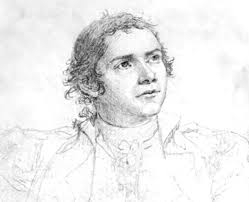
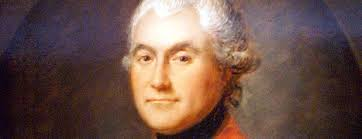
Washington placed an outer defensive line halfway between Princeton and Trenton with orders to delay the British advance. Colonel Edward Hand had his men hidden among the woods and ravines. The British, thinking they had come upon the entire American Army as his troops opened fire; as soon as the British formed up in battle formation, the Americans would fall back to a new point of concealment all the while firing at the advancing British. Washington wanted to hold the British off until nightfall using Colonel Hand’s men and their delaying tactics withdrawing slowly into Trenton.
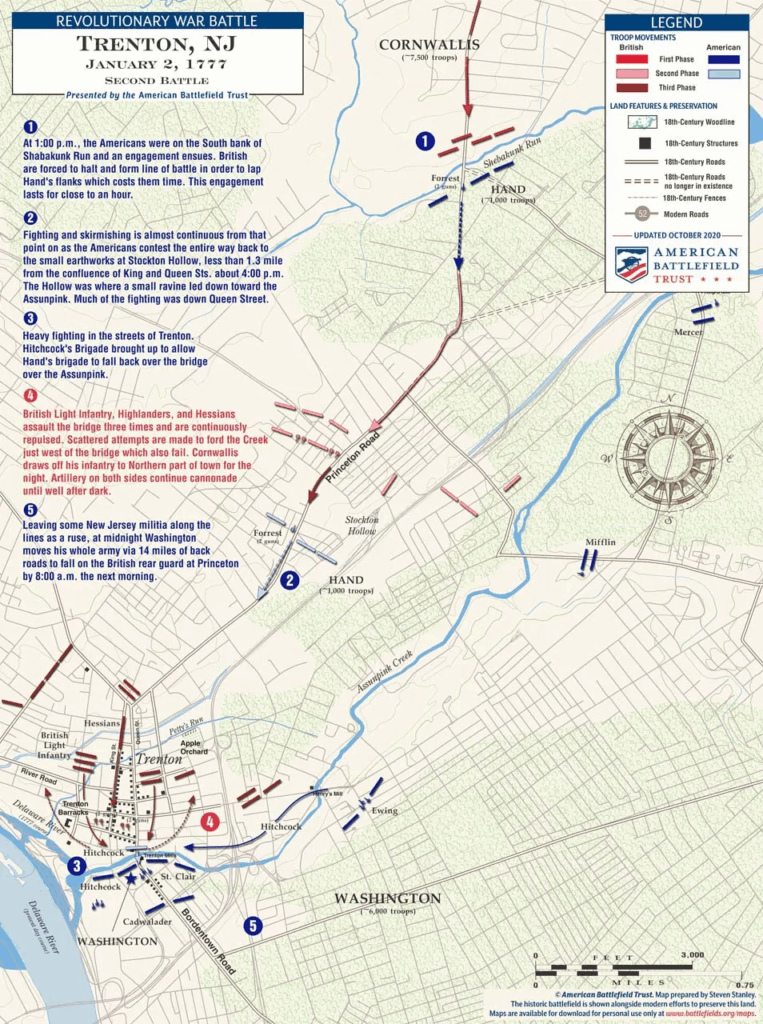
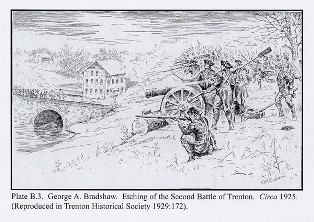
At Assunpink Creek, the British charged the bridge hoping to rout the Americans. Between musket and cannon fire, they stopped the British cold with British dead and wounded leaving the bridge covered in red.
As Cornwallis arrived in Trenton he called a council of war to decide if the attack should continue, but decided to allow his army to rest until the next morning before continuing the attack. Cornwallis said, “We’ve got the old fox safe now. We’ll go over and bag him in the morning”.
January 3, 1777, Washington had his army moving towards Princeton by 02:00 by way of the little known Quaker road. To cover his withdrawal, Washington had several men and a few cannon remain to make the British think they were still there, but by morning they too were gone. After a short battle in Princeton, Manhood’s men were defeated with many captured, leaving Washington free to move his army to Morristown for winter quarters.
The British had suffered 3 defeats in 10 days, forcing General Howe to withdraw from much of New Jersey to positions at New Brunswick, New Jersey.
The “Forage War” pitted American partisans against British foraging parties. The British needed food stuffs to supplement the diet of salt pork and dried beef, while their horses needed forage and grain. Washington ordered supplies to be moved out of the reach of the foraging British and Hessians leaving only the most vital of supplies for the civilian population. During this three month period, the British and Hessians often left the civilian population with nothing at all leaving the people of the area to despise the foreign troops in their midst.
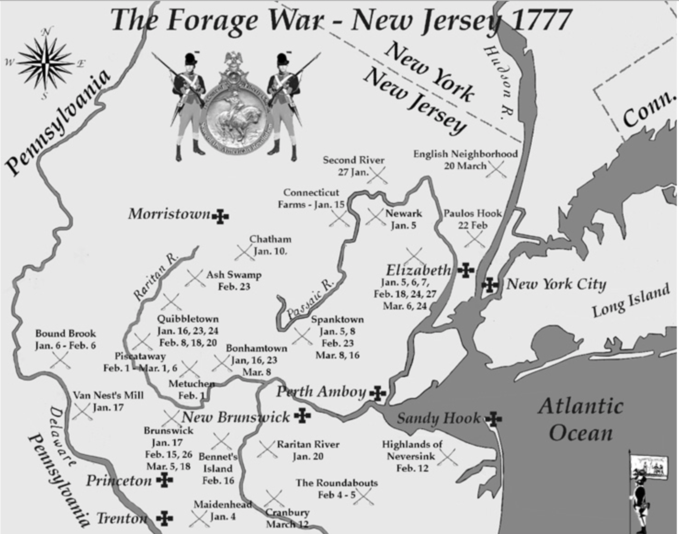
Three widely scattered engagements from New Jersey, Connecticut and East Florida were British victories, starting with the “Battle of Bound Brook” in New Jersey; a surprise attack that forced Major Benjamin Lincoln to leave his post without his papers and personal belongings. This important post guarded the bridges across the Raritan River and the roads leading to Morristown. The late arrival of some of the attacking British allowed many of the Americans to escape to Morristown.
April 25, 1777, the British attacked and destroyed a cache of supplies the Continental Army had in the town of Danbury, Connecticut. As the British returned to their base on the coast, they were attacked by a mixed force of Americans at the “Battle of Ridgefield” on April 17. The raid so infuriated the rural population that the British never again ventured into rural Connecticut.
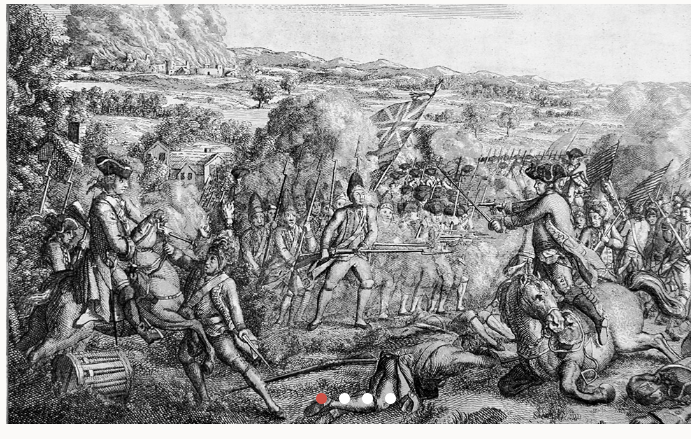
On May 17, 1777, the British set up an ambush of a Georgia cavalry troop allowing a group of Muscogee Indians to massacre many of the surviving troopers after the “Battle of Thomas Creek”. This would be the last effort by the Americans to invade and hold East Florida after a failed expedition in 1778.
The “Battle of Sag Harbor”, May 24, 1777 was in response to the raid on Danbury, Connecticut. Continental Army forces led by Colonel Johnathan Meigs killed 6 Loyalists and captured 90 while not a single American casualty occurred in the short skirmish that ensued.
In an attempt to lure General George Washington out of his defensive base in the Watchtung Mountains, General Howe marched his army into central New Jersey. Brigadier General William Alexander (“Lord Stirling”) was shadowing Howe’s Army that evolved into ”The Battle of Metuchen Meetinghouse” June 26, 1777 at Scotch Plains, New Jersey.
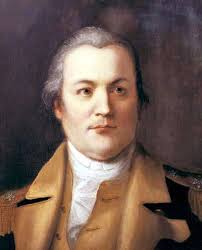
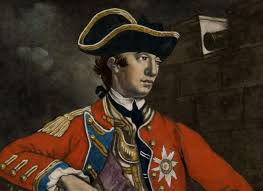
Washington had started to leave his defensive position, but as General Alexander’s troops were engaged with Howe’s army, Washington returned to his mountain position allowing Howe to declare a victory over Alexander’s outnumbered troops.
In what later would be called the “Siege of Fort Ticonderoga”, a seriously outnumbered General Arthur St. Clair surrendered Fort Ticonderoga to Lieutenant John Burgoyne’s 8,000 man army on July 6, 1777. This caused a great uproar in the Continental Congress and General St. Clair and his superior General Philip Schuyler were subjected to courts martial only to be exonerated later. The fort rather than being impregnable was fatally surrounded by high ground that gave any opposing force a distinct advantage.
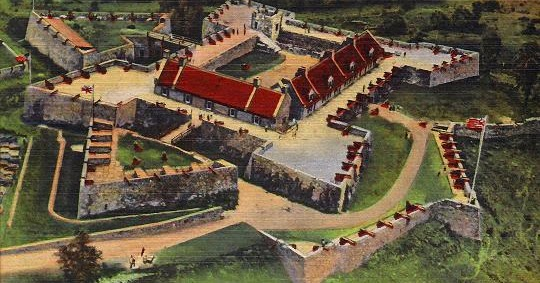
As American forces withdrew from Fort Ticonderoga on July 7, 1777, British General Simon Fraser caught up to the retreating Americans at Hubbardton, Vermont. In the ensuing skirmish, the Americans were forced to scatter. They later would rejoin General St. Clair’s army on its way to the Hudson River valley.
On July 8, 1777, Americans taking sick and wounded troopers to safety were caught at Fort Anne by elements of Burgoyne’s much larger army forcing the Americans to retreat from Fort Anne to Fort
Edward.
The retreating American finally were able to join General Horatio Gates Army near present day Saratoga where a decisive battle would later be fought.