The American Revolution Part 10
The two “Battles of Saratoga”, beginning at “Freeman’s Farm” on September 19, 1777 and “Bemis Heights” on October 7, 1777 convinced the French government that the Americans could win the war between the American States and Great Britain. This resulted in a formal treaty, (The Franco – American Treaty of February 10, 1778) between the United States of America and the French government in which the French government allied itself with the Americans against Great Britain. In March 1778, France, under King Louis the XVI would declare war against Great Britain.
Until July 1780, the main thrust of the French effort that directly affected the American Revolution happened in the West Indies consisting of naval battles against The British Navy. Shortly after the signing of the treaty between the US and France, “The Battle of Ushant” took place in the English Channel July 27, 1778. Considered to be inconclusive, both suffered numerous casualties but no ships were lost by either side.
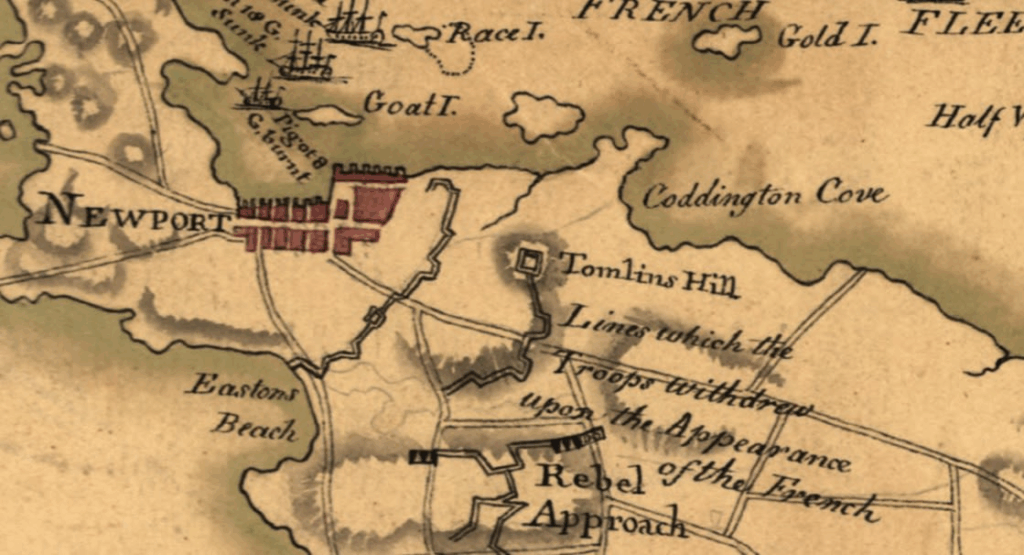
“The Battle of Rhode Island”, August 29, 1778, saw American forces abandon what had been a siege of British forces, but were attacked by British Naval forces as they retreated to the north. An attempt by American and French forces to coordinate actions resulted in disarray and disagreement and a brewing storm doomed the coordination of the two forces.
In what was the first of several raids on coastal towns, Major General Charles Gray lead some 4,000 troops against three Massachusetts towns, New Bedford, Fairhaven and a totally undefended Martha’s Vineyard destroying military supplies and carrying off livestock between September 5 – 12, 1778 in what would become known as “Grey’s Raid”.
“The Invasion of Dominica” on September 7, 1778, French forces, by gaining the high ground, forced Lieutenant Governor William Stuart to surrender his troops to the French forces.
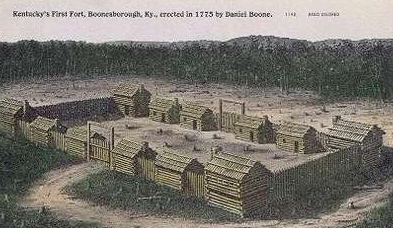
“The Siege of Boonesborough”, September 7 – 18, 1778 was broken due to the efforts of Daniel Boone as Shawnee Indians allied with the British tried to force the settlement in modern day Kentucky to surrender to the British. This was a major blow to British efforts to force all settlers to leave what they intended to be a reserve for the Indian tribes.
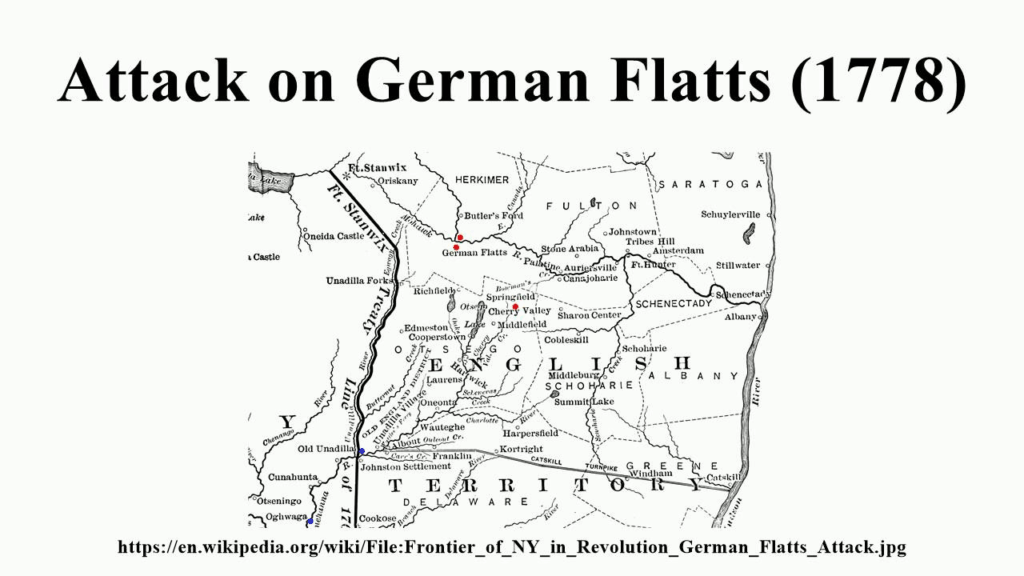
In a furtherance of British designs to turn much of the western frontier of New York and Pennsylvania into a reserve for the Indian tribes, an attack on “German Flats” was unsuccessful as the settlers had been warned and sought refuge in “Fort Herkimer” in present day western New York. The raid did allow the attackers to decimate cattle and other livestock as the settlers did not have enough men to thwart the attacking Indians and their Loyalist allies.
In what became known as “The Baylor Massacre”, a British force numbering 650 under the command of Major General Charles Gray attacked a force of 116 Continental troops with bayonets, leaving 15 Americans killed and 54 wounded, September 27, 1778.
On September 30, 1778, Major Henry Lee with some 120 Continental dragoons skirmished with some 80 Hessians under the command of Karl Moritz von Donop at “The Battle of Edgar’s Lane”. The Americans killed 23 of the Hessians and captured the rest without a single American casualty, giving the American forces a much needed morale boost.
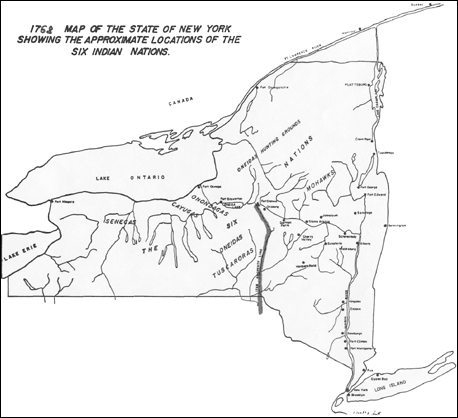
In early October, 1778, a raid was conducted against the Indian towns of Unadilla and Onondaga by members of 4th Pennsylvania Regiment under the command of Lieutenant Colonel William Butler. The raid against the abandoned towns was conducted by razing all the buildings and destroying all the food stuffs the Indians had put aside for the coming winter. After the defeat of General Burgoyne’s Army at Sarasota, the frontier country became a hot bed of Indian attacks against settlers in upstate New York.
“The Battle of Chestnut Neck”, October 6, 1778 was an effort by the British to quell the privateers who used Little Egg Harbor as a base of operations. The supplies that were meant for the British often ended up with General Washington and his troops at Valley Forge. The fight against the American patriots was cut short when the British realized that Count Casimir Pulaski and his cavalry were on their way; the British made a hasty retreat up river to avoid Pulaski and his troopers.
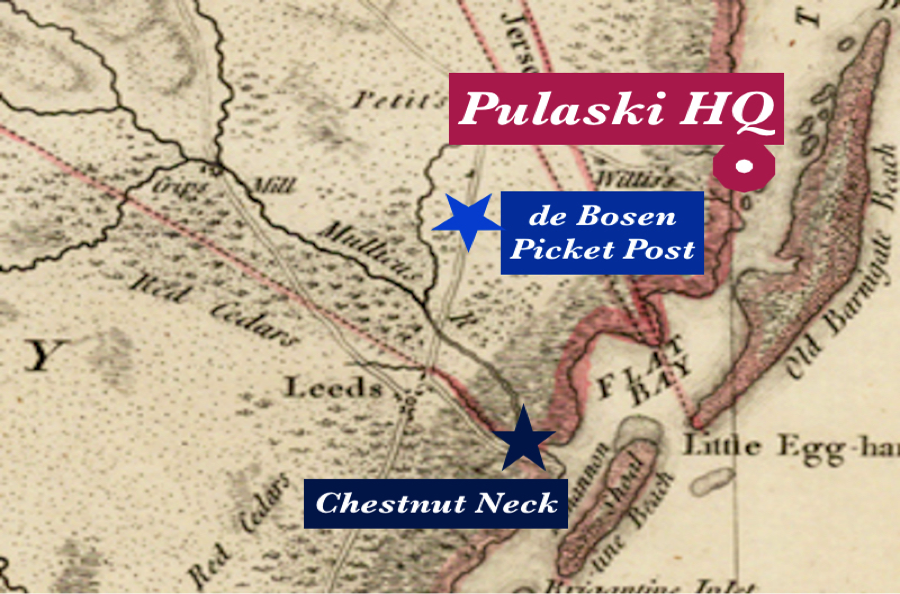
A few days later at “Little Egg Harbor”, on October 15, 1778, British Captain Patrick Ferguson was informed that Pulaski’s troop was camped a short distance away. Ferguson raided Pulaski’s encampment in the early hours, catching the troopers asleep and killing some 50 troopers before Pulaski was able to rouse his troop thereby causing Ferguson to retreat from the field.
Major Christopher Carleton conducted a series of raids between October 24, 1778, ending November 14, 1778. The raids were later called “Carleton’s Raid” along the shores of Lake Champlain, destroying military supplies in Vermont and New York. Carleton claimed that he had destroyed enough material to supply 12,000 men for a 4 month period.
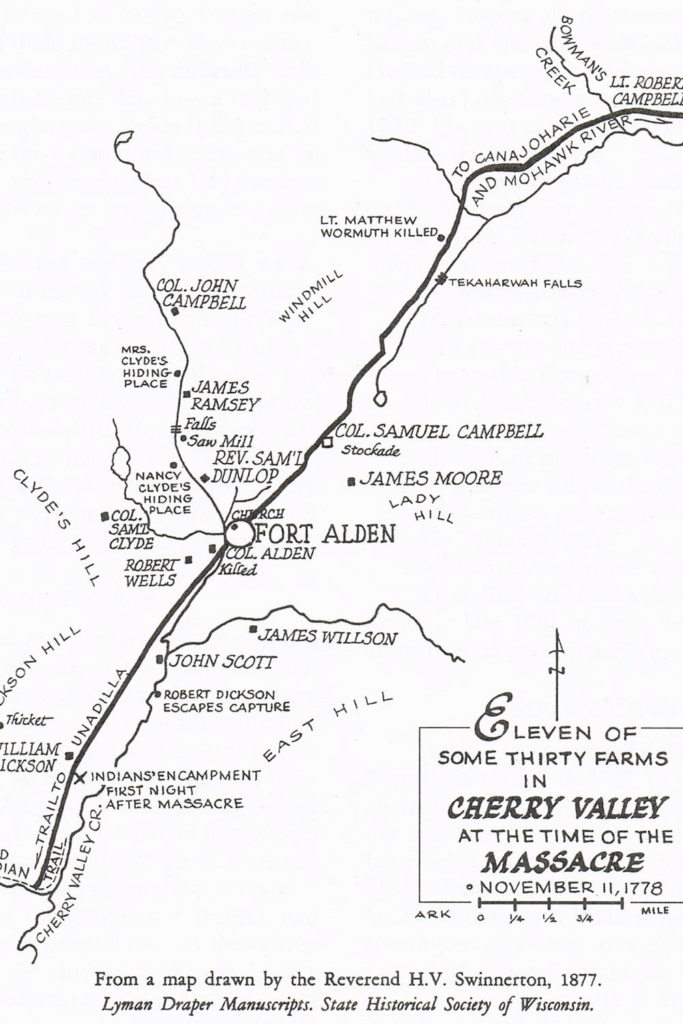
November 11, 1778 would later be called the most horrific massacre of the war as 820 Americans, men, women and children were killed by a mixed group of British regulars, Loyalists and Indians descended on the fort and town of Cherry Valley, New York. This was a continuance of the use of Indian allies in reprisal for the destruction of several Indian towns earlier in October.
In an effort to regain the initiative in the southern colonies, Lieutenant Colonel Archibald Campbell with some 3,100 British regulars defeated a mixed American force of 850 Continental regulars and militia to capture the city of Savannah, Georgia December 29, 1778. England’s King George considered the capture of the southern colonies to be of primary importance due to the strong loyalist sympathies to the British Crown. The British would hold the city until late in the war.
The war would continue, but the grit shown by the Americans began to have an effect on the British citizenry; a war weary Britain began to have doubts about continuance of the war.
Walt Mow 2025